Energy has moved from a line on the balance sheet to a board-level decision. Commercial electricity now sits somewhere between 20p and 35p per unit, and there is little sign of it coming down in any meaningful way. Non-commodity charges, the transmission and distribution fees bolted onto every bill, are climbing faster still.
That is the backdrop to why more UK businesses are putting solar on the roof. Not as a green gesture, but as a way to take control of a cost that keeps rising. This guide walks through what commercial solar panels actually involve: what they cost, what they save, how long they take to install, and the questions worth asking before you commit. No hype, just the picture as it stands.
What we mean by commercial solar
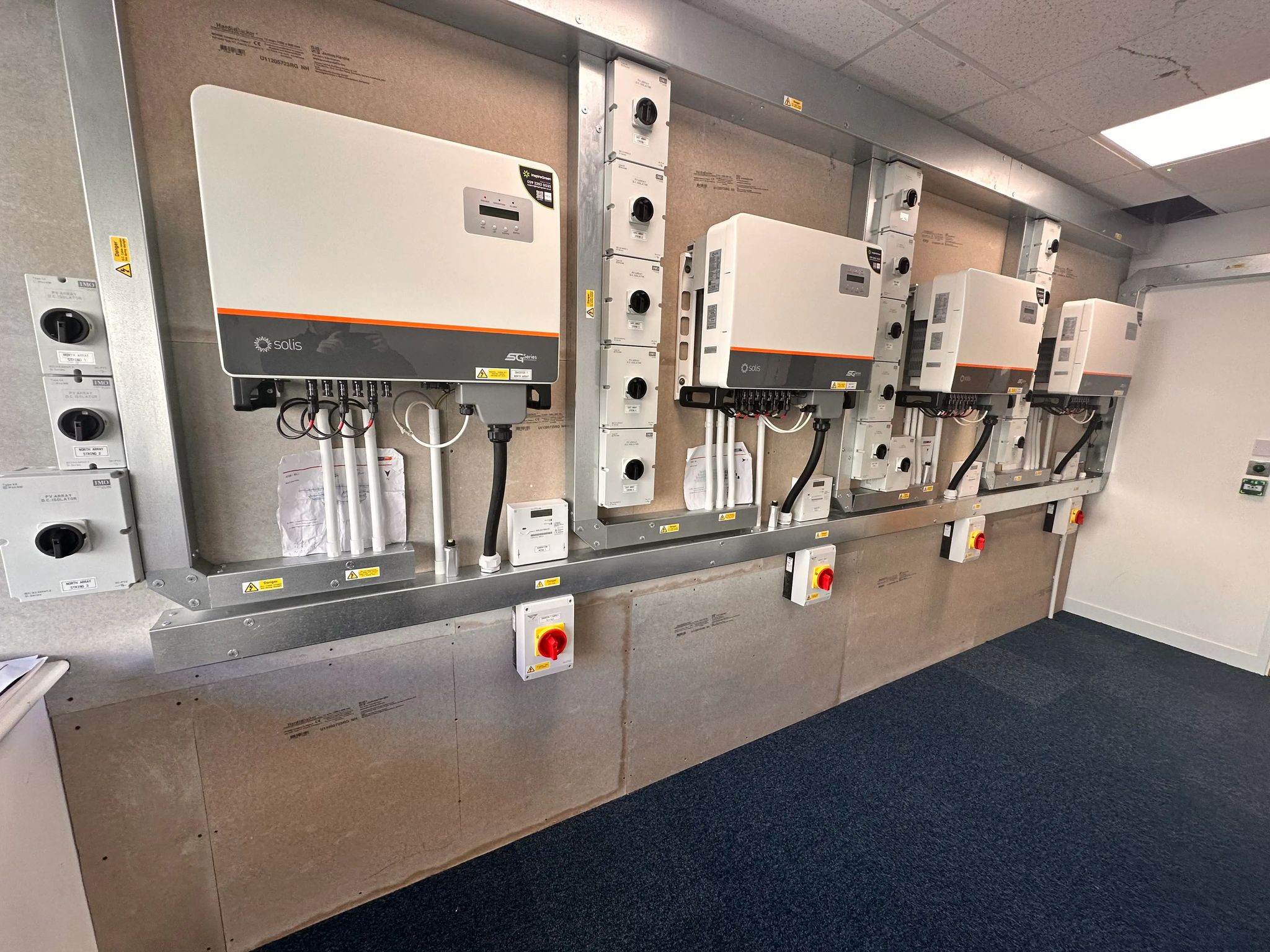
Commercial solar panels work the same way as any solar PV system. Panels convert daylight into electricity, an inverter turns it into the type of power your building uses, and you run your operation on it. The difference with a commercial install is scale and design. A home might have ten panels. A warehouse, factory or office can carry hundreds, sized around how and when the business actually uses power.
That last point matters more than most buyers expect. A well-designed commercial system is built around your demand profile, not just your roof size. The aim is to generate power at the times you are using it, so you are displacing electricity you would otherwise buy at the full commercial rate.
What it costs
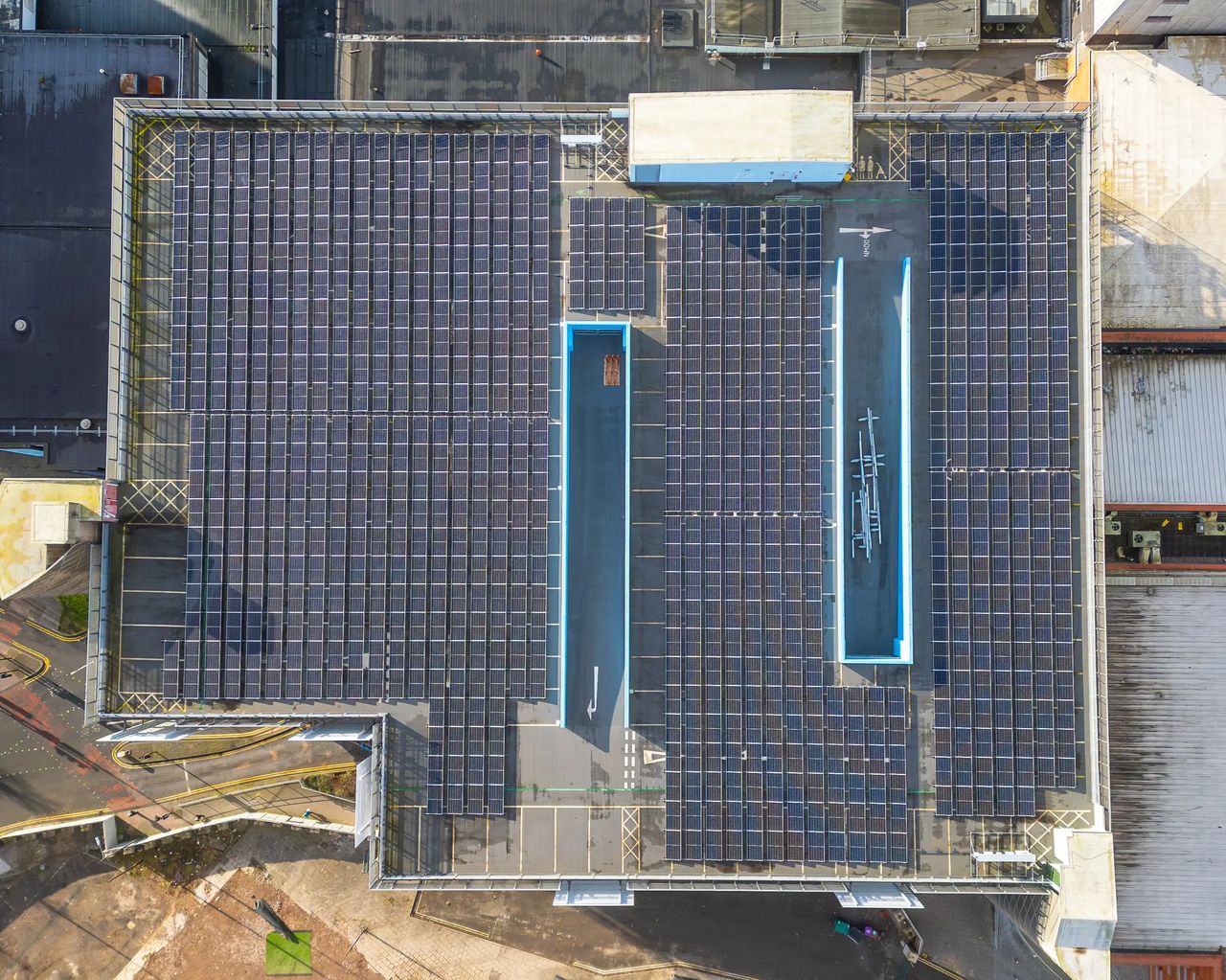
Costs vary with system size, roof type and complexity, but the 2026 picture is fairly settled. A 100kWp rooftop system, a common size for a mid-sized warehouse or large office, typically runs between £75,000 and £105,000 fully installed. That works out at roughly £700 to £1,050 per kWp.
Bigger systems cost less per unit of capacity. Fixed costs like scaffolding, design, the grid connection application and commissioning spread across more panels, so a 250kWp system comes in well below a 50kWp one on a per-kWp basis. A 100kWp array needs around 450 to 600 square metres of unshaded roof, which suits most mid-sized commercial buildings.
There is also the tax position to factor in. Most businesses can claim the full cost of a solar installation against taxable profits in the year of purchase through the Annual Investment Allowance. For a standard-rate corporation taxpayer, that can return up to a quarter of the system cost as first-year tax relief, which materially lowers the effective outlay before the first unit of electricity is generated.
What it saves
This is the number that decides most projects. A 100kWp system generates roughly 85,000 to 100,000 kWh a year in most UK locations. If the business uses most of that on site, it displaces grid electricity at the full commercial rate, which is where the value sits.
At current rates, that translates to annual savings in the region of £18,000 to £25,000, depending on your tariff and how much of the generation you use directly. The single biggest factor is that last part, your self-consumption rate. Every unit you use on site saves you the full 20 to 35p you would have paid the grid. Every unit you export instead earns you far less.
Self-consumption is the thing to get right
If you take one idea from this guide, make it this one. The financial case for commercial solar lives or dies on how much of the generation you use yourself. Every unit you use on site saves you the full commercial rate you would have paid the grid, while every unit you export instead earns you far less. That is why a right-sized system matched to your demand beats an oversized one, and why battery storage often pays its way by lifting on-site use. We go into the detail, with a real Cwmbran example, in our guide to solar self-consumption.
How long it takes to pay back
For most UK businesses with decent daytime electricity use, commercial solar pays back in 4 to 6 years before tax relief, and faster once the Annual Investment Allowance is applied. After that, the system carries on generating for the rest of its life, which is typically 25 years or more, at close to zero running cost.
We have written a full breakdown of how payback is calculated and what moves it, so we will not repeat it all here. The short version: system size, your electricity tariff, your self-consumption rate and whether you add storage are the four variables that separate a fast payback from a slow one.
How long the install takes
The panels themselves go up quickly. Physical installation of a mid-sized rooftop system is usually a matter of a couple of weeks, not months, and rarely means shutting the business down.
The longer part is everything around it. Design, survey, procurement and the grid connection application add time at the front. Any system above a certain size needs a G99 connection agreement with the local network operator, and those can take several months to come through, sometimes longer on a constrained network. A good installer files that application early and builds the project timeline around realistic network timescales, so it runs in parallel with the rest rather than holding everything up. We flag this early because it is the part buyers are most often surprised by.
Will my roof take it?
Most commercial roofs can carry solar, but not all perform the same. Orientation, pitch, shading, size and the condition of the roof itself all affect how much a system generates and how the panels are fixed. South-facing gives the best yield in the UK, though east and west-facing roofs still generate well.
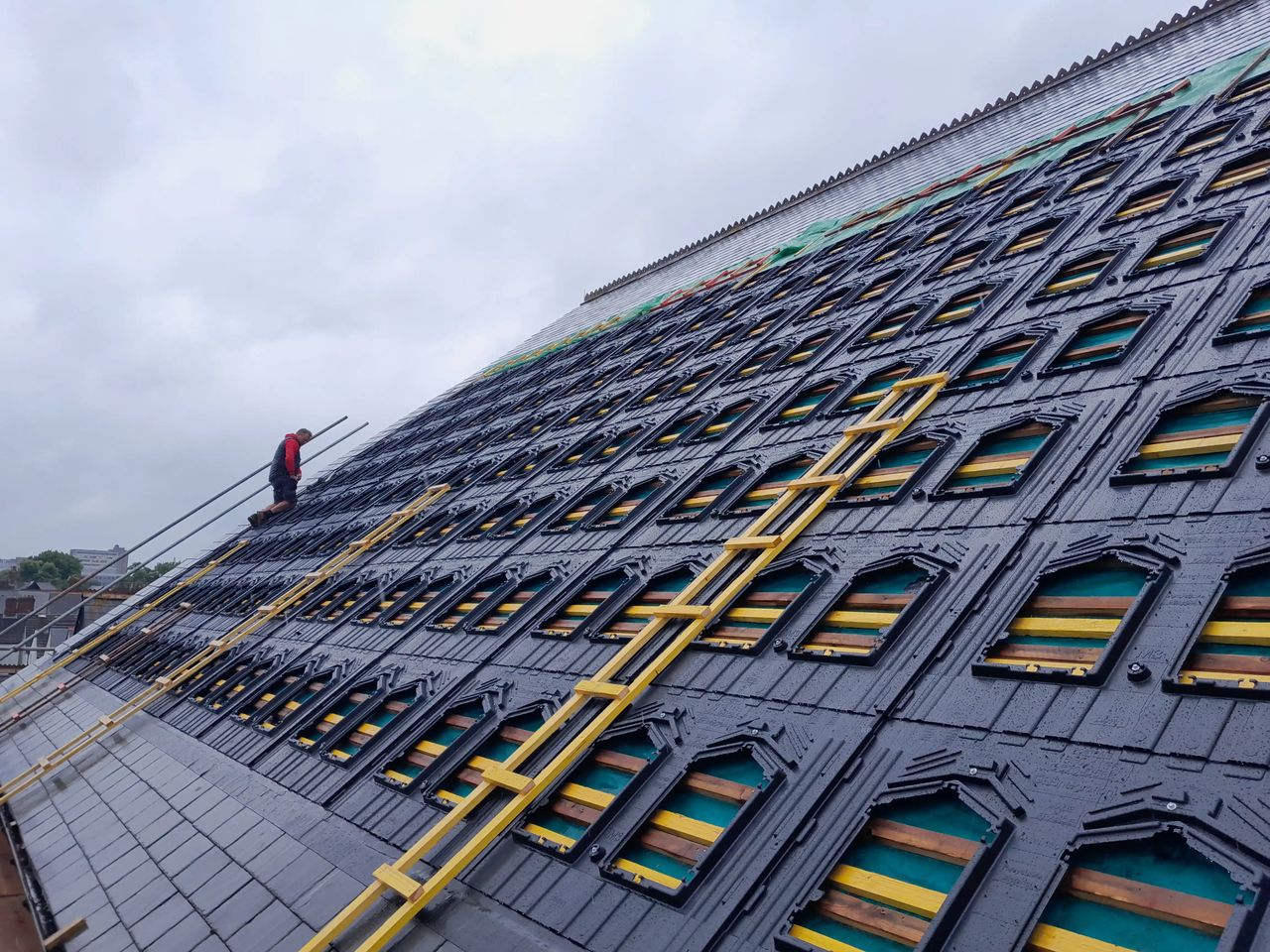
Flat commercial roofs, common on warehouses and industrial units, usually take a ballasted mounting system that holds the panels at an angle without penetrating the roof surface. The main check there is whether the structure can carry the extra load, which a survey confirms. If your roof is near the end of its life, it can be worth reroofing first, or looking at integrated panels that replace roofing material and do two jobs at once. Our guide on roof suitability goes through the full checklist.
Paying for it
Cost is the most common thing that holds businesses back, so it is worth being clear about the routes available. There are three main ways to fund a commercial solar system:
Outright purchase gives the best lifetime return. You own the asset, you keep all the savings, and you claim the full tax relief. It suits businesses with capital available.
Asset finance or leasing spreads the cost over several years. Repayments are often lower than the energy savings the system produces, so the project can be cash-flow positive from day one.
Grants and funding are available for qualifying sectors and can cover a meaningful proportion of the cost. Public sector, third sector and energy-intensive industries in particular are worth checking eligibility for. We handle the funding side as part of the project rather than leaving you to work it out alone.
What this looks like in practice
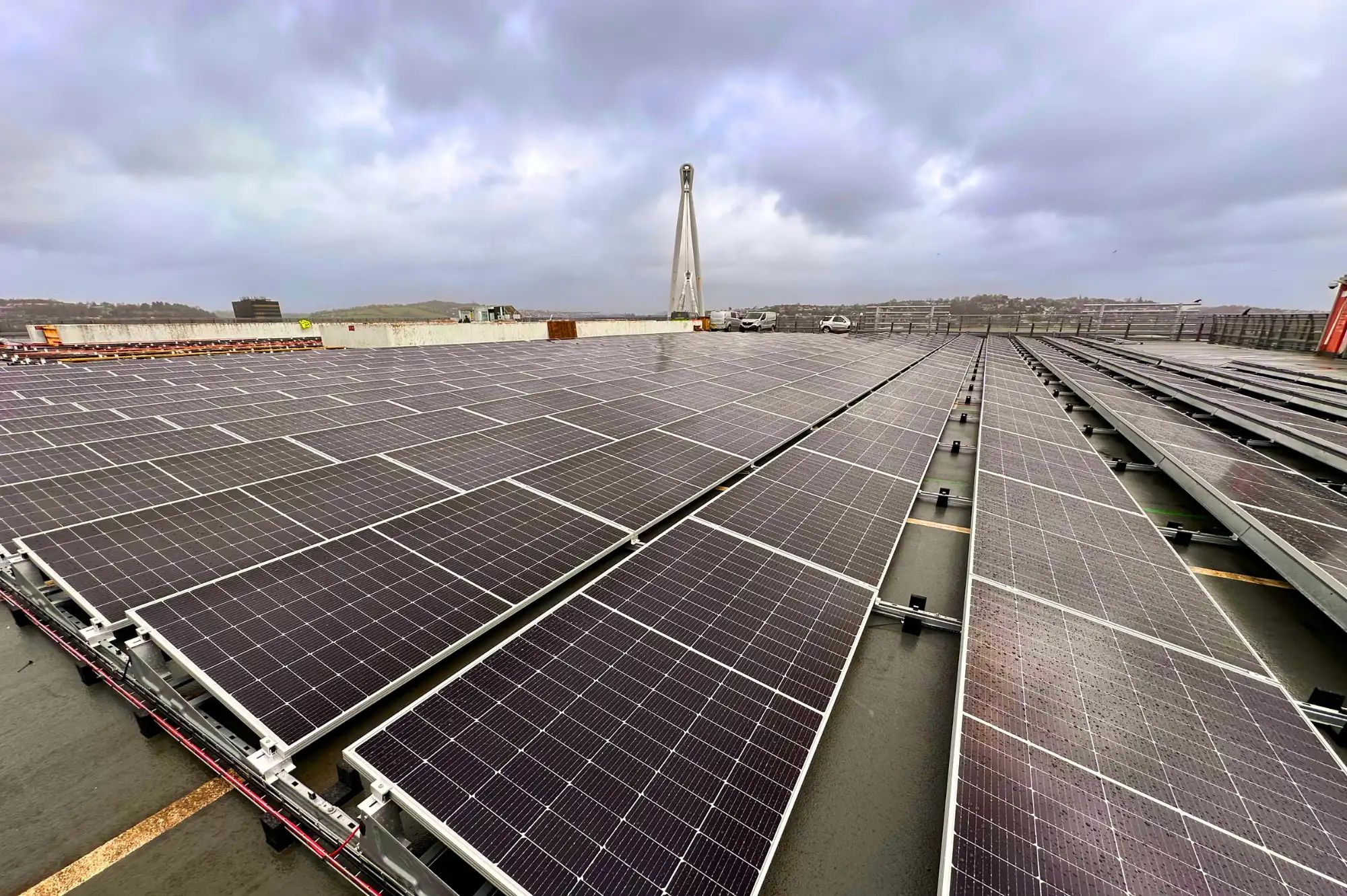
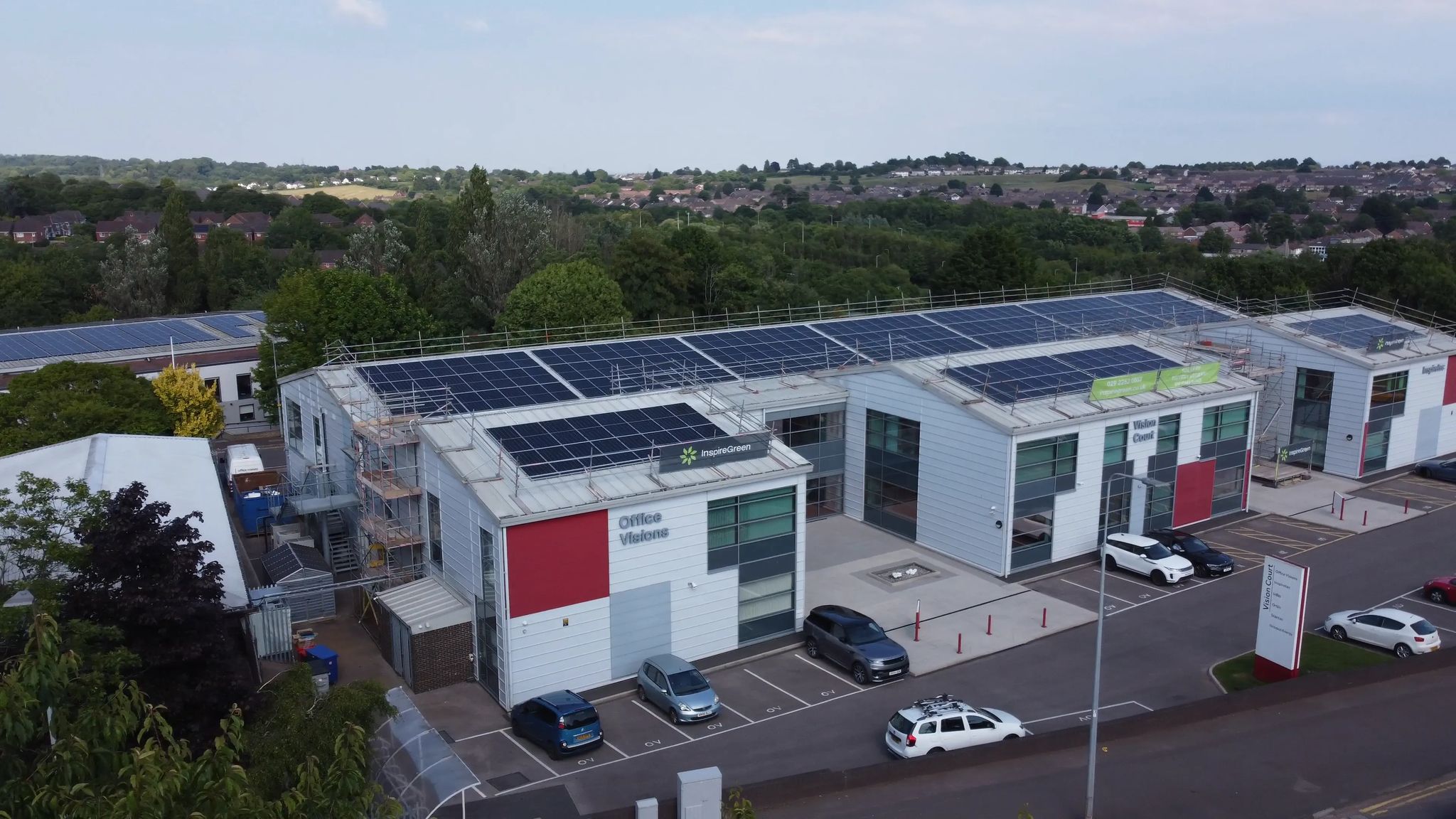
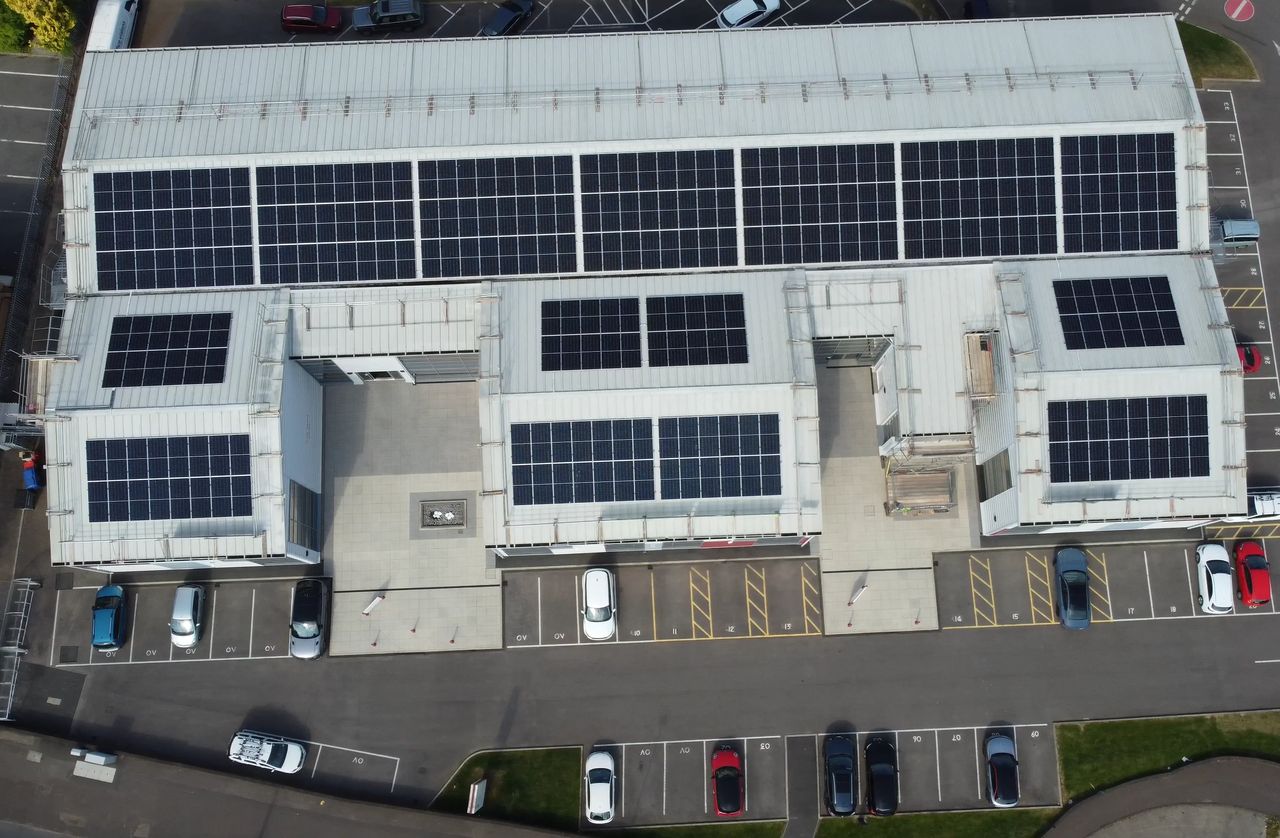
The numbers above are typical ranges, but real projects show how it plays out. For Office Visions we installed a 155kWp solar and battery system with an estimated annual output of around 147,000 kWh, part of a project with a substantial six-figure lifetime saving. For Newport City Council we turned an underutilised space into an urban solar farm, a 390kWp system across 780 panels that went on to win at the Energy Efficiency Awards Wales.
Different sites, different sizes, same principle: a system designed around how the business actually uses energy.
Where to start
If you are weighing up commercial solar, the honest first step is a proper look at your energy use and your roof. That is what tells you the right system size, the realistic savings and the payback, rather than a generic estimate. We offer a free site survey to work that out, and we handle everything from design and the grid application through to installation and 25-year monitoring under one roof.
Rising energy costs are not going away. The businesses getting ahead of it are the ones treating solar as what it is: a long-term asset that pays for itself and then keeps paying. If you want to know what that looks like for your site, get in touch.