What Happens to Commercial Solar Panels After 25 Years?
When businesses ask about commercial solar, the conversation usually focuses on output, payback periods, and installation. What happens at the end of the system's life is a question that comes up less often — but it's one worth understanding, because the answer is more reassuring than most people expect.
Your panels won't just stop working
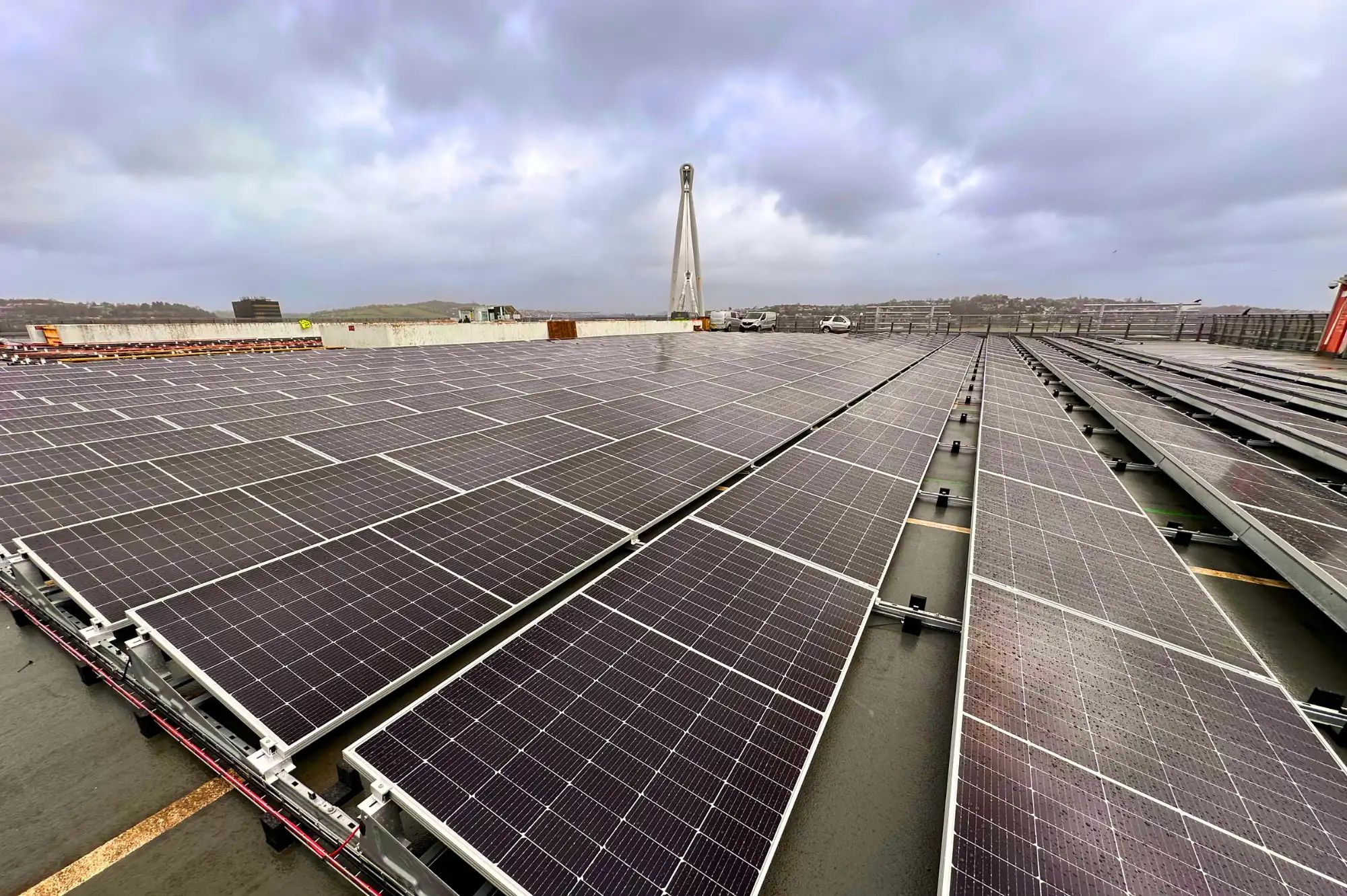
The 25-year figure that comes with most solar panel warranties isn't an expiry date. Panels don't fail on their anniversary. What happens instead is a gradual reduction in output, typically 0.5 to 0.8% per year, meaning a panel installed today will still be producing around 80 to 87% of its original output at the end of a 25-year performance warranty.
Many commercial systems continue operating well beyond that point. The 25-year mark is where the manufacturer's performance guarantee ends, not where the panel stops being useful. For most businesses, a system that's still generating at 80% of its original capacity after a quarter of a century has paid for itself many times over.
A solar system is several components, not one
One of the reasons commercial solar holds up so well over time is that the different parts of the system are well understood, with known lifespans and straightforward replacement paths.
Panels are the longest-lasting part. Most will still be functioning well at 25 years, producing reliably and contributing meaningfully to your energy costs. Physical damage such as cracking, delamination, or hot spots is more likely to prompt attention than age alone, and routine inspections catch these early.
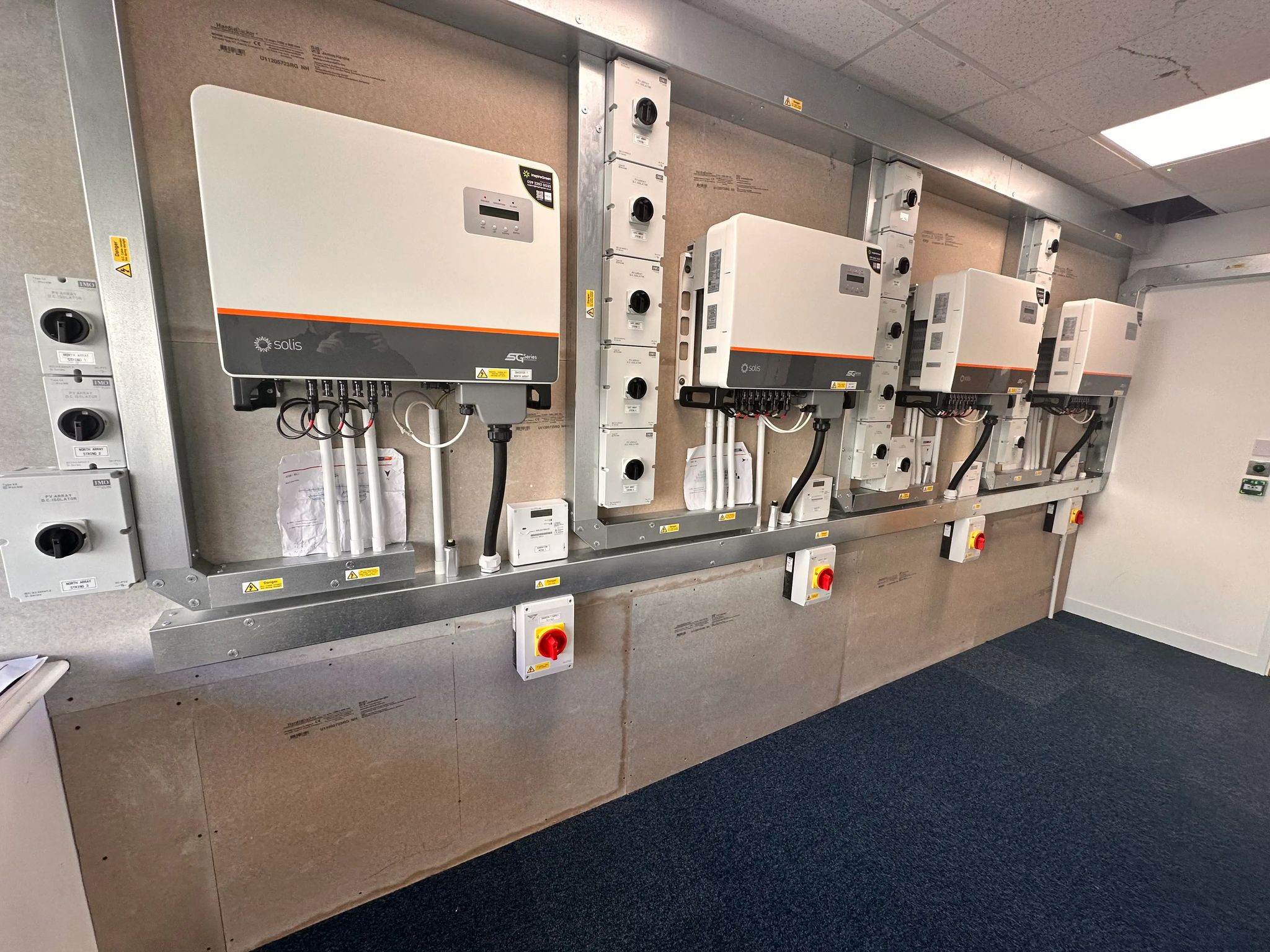
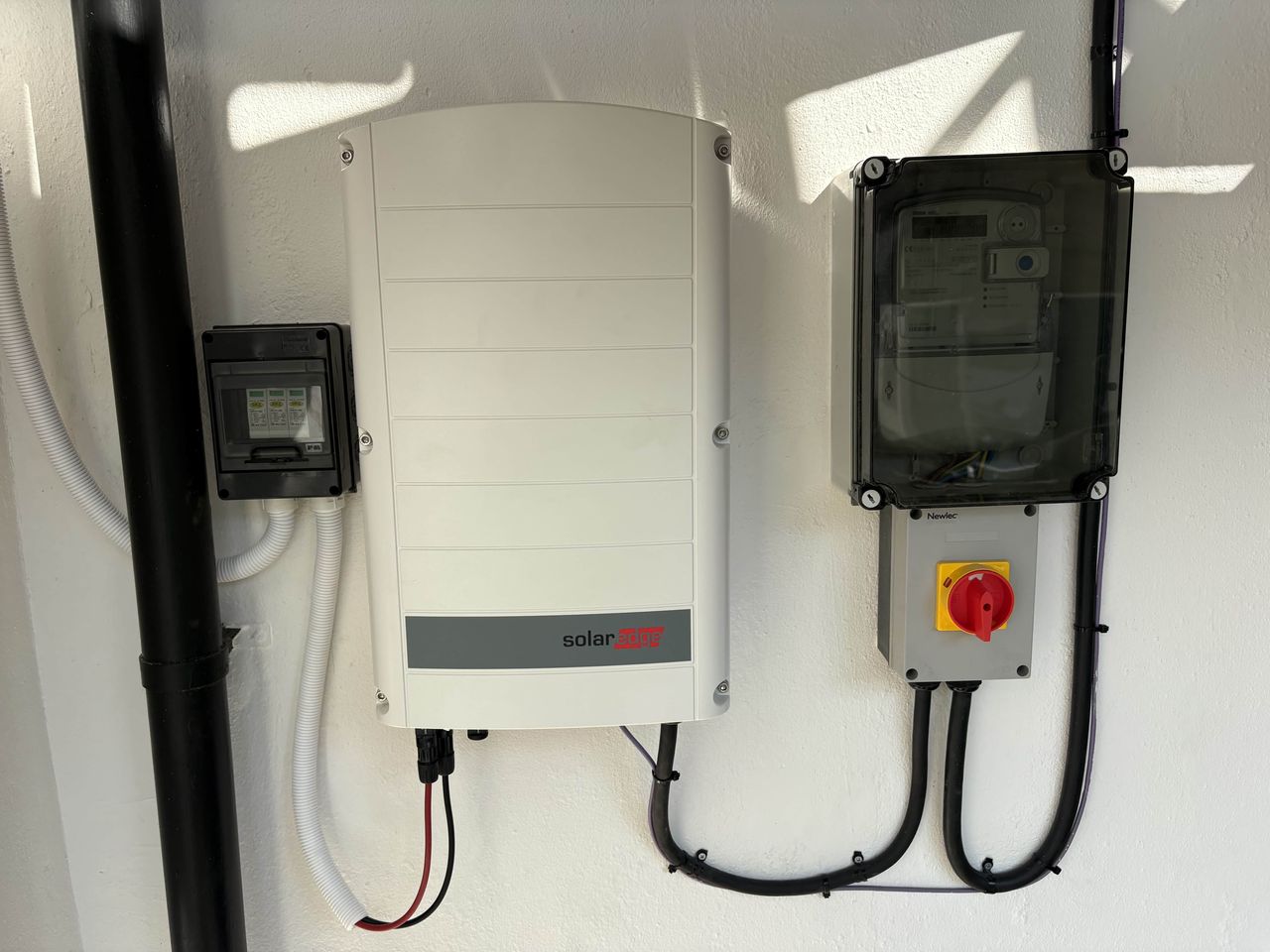
Inverters have a shorter lifespan than the panels themselves, typically 10 to 15 years, but replacing an inverter is a routine part of owning a solar system. It's a planned cost, well understood by any experienced installer, and doesn't affect the long-term return on the investment. Many businesses treat it the same way they would any other planned maintenance on a piece of commercial equipment.
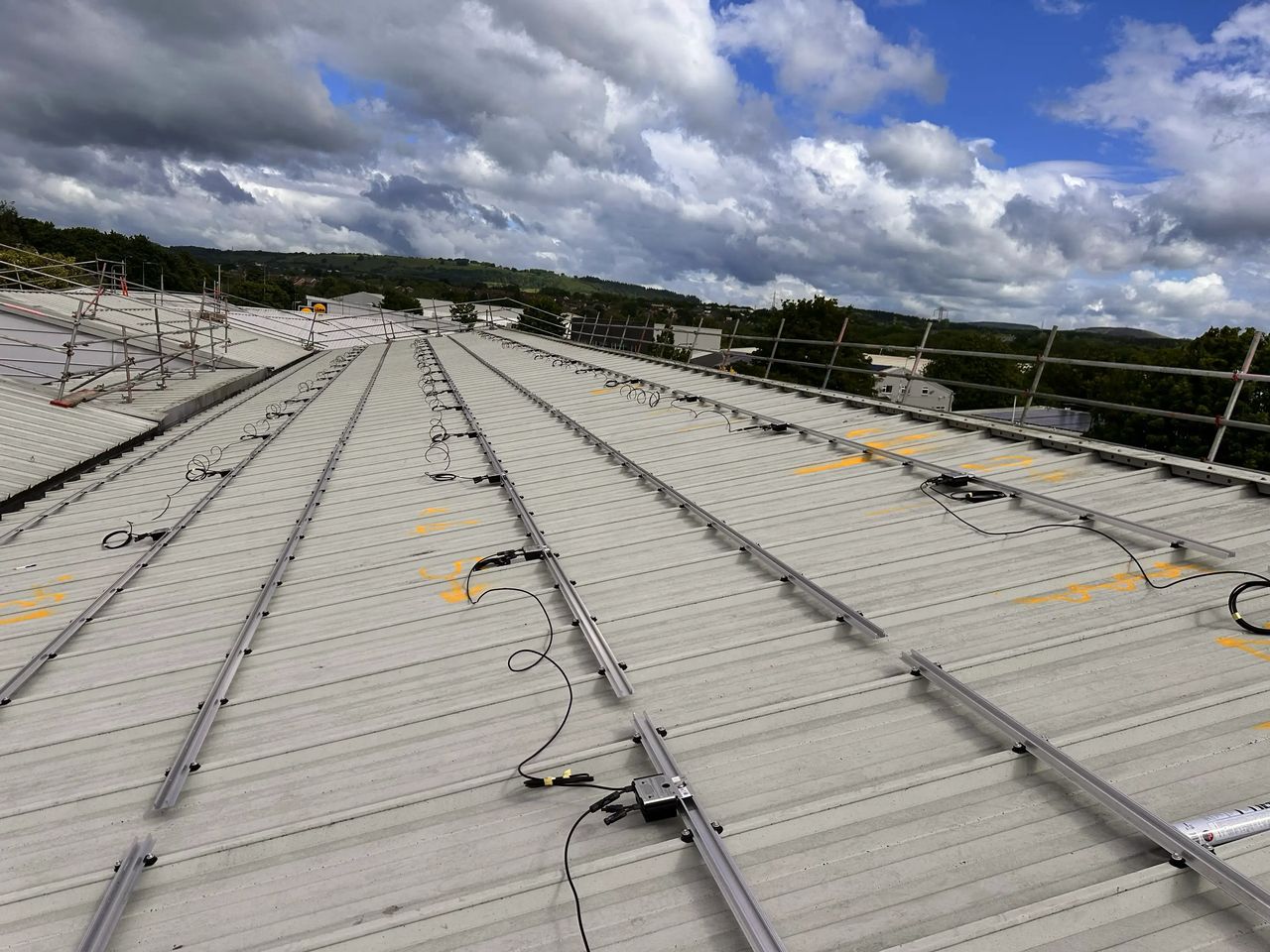
Cabling, isolators, and mounting hardware are built to last the full life of the system. With regular inspections they rarely need attention before a panel replacement is on the table.
Monitoring systems may be updated over time, particularly as technology improves and older platforms evolve, but this gives businesses better visibility of performance rather than adding complexity.
How maintenance keeps the system performing
The good news about commercial solar is that it's genuinely low maintenance. Panels have no moving parts, they're designed to withstand decades of weather, and a well-installed system from an MCS-accredited installer will perform consistently with minimal intervention.
That said, a light-touch maintenance schedule through the system's life makes a real difference to how it performs and how confident you can be in the replacement decision when it eventually comes.
In the early years, an annual inspection and occasional clean is usually all that's needed. Output monitoring, which comes as standard on modern installations, gives you a live view of system performance so any drop is picked up quickly rather than going unnoticed.
Around the midpoint of the system's life, a more thorough check of fixings, cabling, and panel performance is worthwhile. This is also typically when an inverter swap becomes due — and with a newer inverter in place, the system gets a fresh lease of life for the next decade or more.
By the time a system approaches 20 to 25 years, businesses with good monitoring data have a clear picture of how it's performing. If output is holding up well, there's no pressure to replace. If degradation is running higher than expected, the data is there to support a timely decision. Either way, you're in control of the asset rather than reacting to it.
The replacement decision
When panels do eventually reach the end of their useful life, there are good options available, and the technology has moved on enough that a replacement system is worth being positive about.
A like-for-like replacement removes the old array and installs a new one of a similar size. Because panel technology has improved significantly over the past 25 years, a replacement system of the same physical footprint will generate more electricity than the original, and degrade more slowly over the next 25 years. In many cases, the payback period on a replacement system is shorter than it was the first time around.
A repanel uses the existing mounting structure where it remains in good condition, replacing only the panels and inverter. This reduces costs compared to a full replacement and is a practical option for many commercial roofs where the racking has been well maintained.
For some businesses, decommissioning without replacement makes sense where a roof is due for replacement or a building is being repurposed. In this case the old panels and components are disposed of through the proper channels.
What happens to the old panels?
Solar panel recycling has improved significantly and the legal framework in the UK means businesses are well protected when the time comes.
Under UK WEEE regulations, solar panels cannot go to landfill. They must be collected by a licensed carrier and processed at an Approved Authorised Treatment Facility. Importantly, under the Extended Producer Responsibility model, the company that sold you your panels is legally required to fund their collection and recycling at end of life. Businesses should not face recycling charges, though you may need to pay for the physical removal from the roof.
If your original installer has closed down, Producer Compliance Schemes such as PV CYCLE can step in to fulfil that obligation.
As a business disposing of panels, you need a licensed waste carrier registered with the Environment Agency in England, or Natural Resources Wales for sites in Wales, a Waste Transfer Note kept for at least two years, and a WEEE Evidence Note from your recycling provider confirming the panels were treated correctly.
What's in a panel and why recycling is improving
Current UK recycling facilities recover 90 to 95% of a panel by weight. The aluminium frame and glass, which make up around 75% of panel mass, are the most straightforward. Copper wiring holds value and is readily recovered.
The more interesting story is silver. Each standard panel contains around 6 to 8 grams of silver, and as more panels reach end of life through the 2030s, recovering that silver back into new panel manufacturing becomes increasingly viable. The solar industry consumed 19% of global silver supply in 2024, so closing that loop matters both economically and environmentally.
Panels do contain lead solder and some thin-film modules use cadmium telluride, which is why proper licensed disposal matters rather than treating old panels as general waste. The regulations exist for good reason and following them is straightforward with the right installer.
The UK currently generates around 650 to 1,000 tonnes of solar panel waste annually, which is relatively low because most installations are still well within their working life. By the time larger volumes need processing in the 2030s and beyond, the recycling infrastructure will have scaled to meet it.
The bigger picture
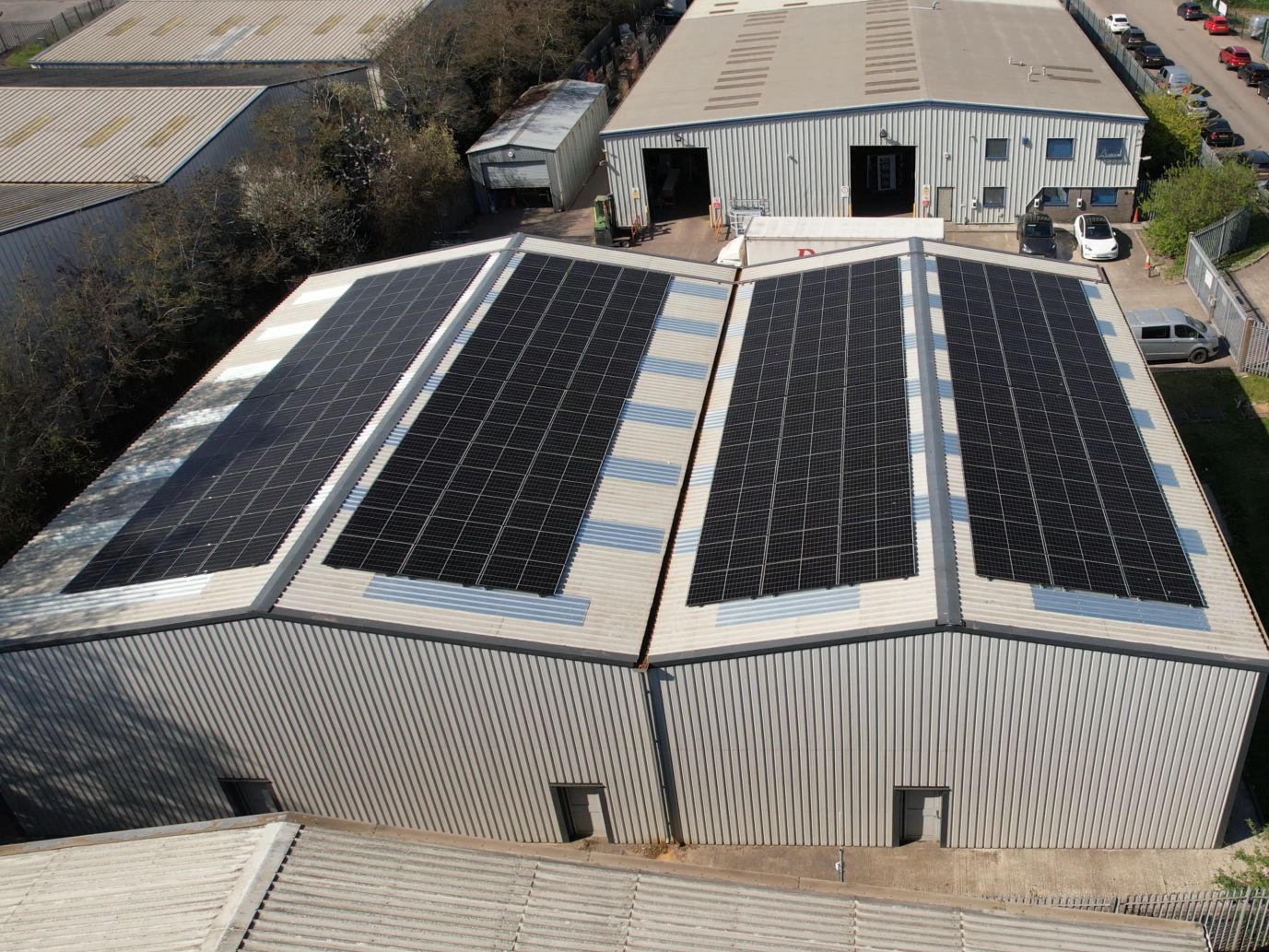
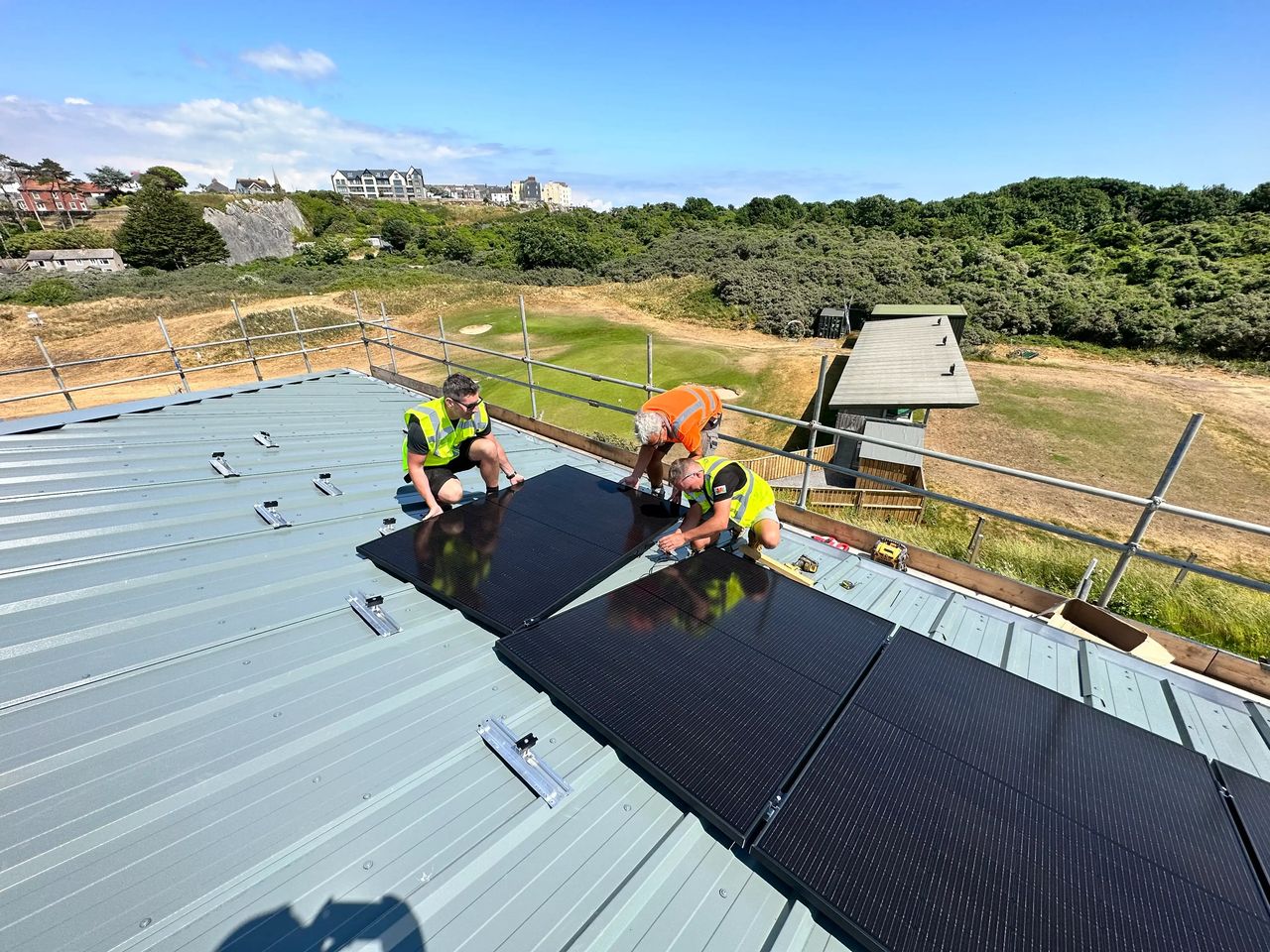
A commercial solar system installed today is a long-lived, well-understood asset with a clear life cycle. The technology is mature, the support infrastructure is in place, and the businesses that have owned systems for 15 or 20 years are not regretting the decision — they're looking at replacement systems with better economics than the original.
Planning for an inverter replacement, keeping up with inspections, and understanding end-of-life obligations are all part of owning the asset well. None of them change the fundamental case for solar — if anything, they're a sign of how seriously the industry takes the long-term performance of what it installs.
If you'd like to talk through what a system could do for your site, get in touch with our team. We offer a free, no-obligation survey and will give you an honest assessment based on your actual usage, not a brochure figure.
Book a Free Survey or call us on 02922 52 00 33.