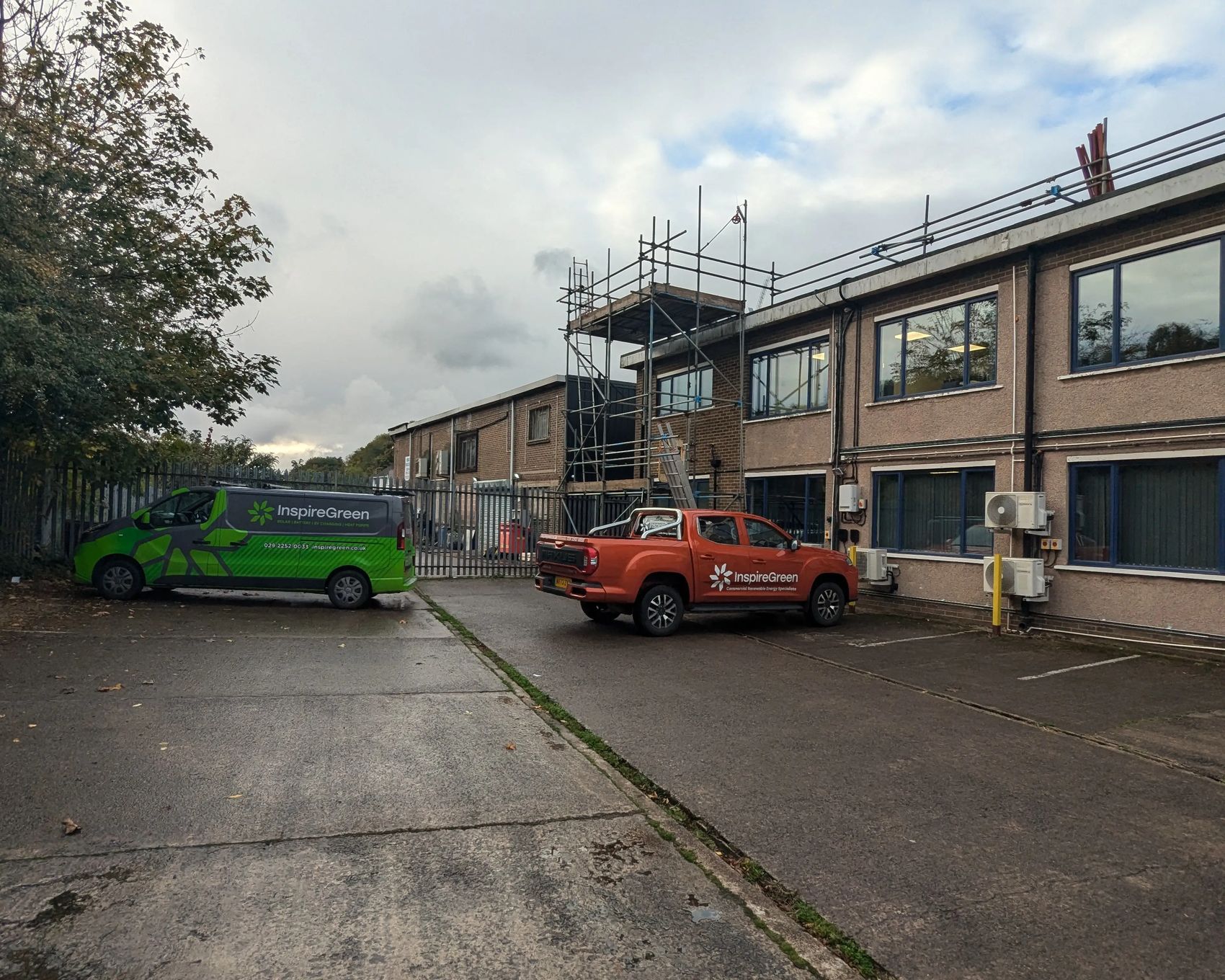
We looked at both sites against the electricity each building actually uses, then sized what the roof could carry at each one. The two came out very differently, and that is worth being plain about: Cardiff is a large, well-oriented roof that takes a substantial array, while Newport is a small roof that limits how much can go on it. We treated them as two separate designs rather than forcing one approach onto both.
Cardiff (Penarth Road, Llandough)
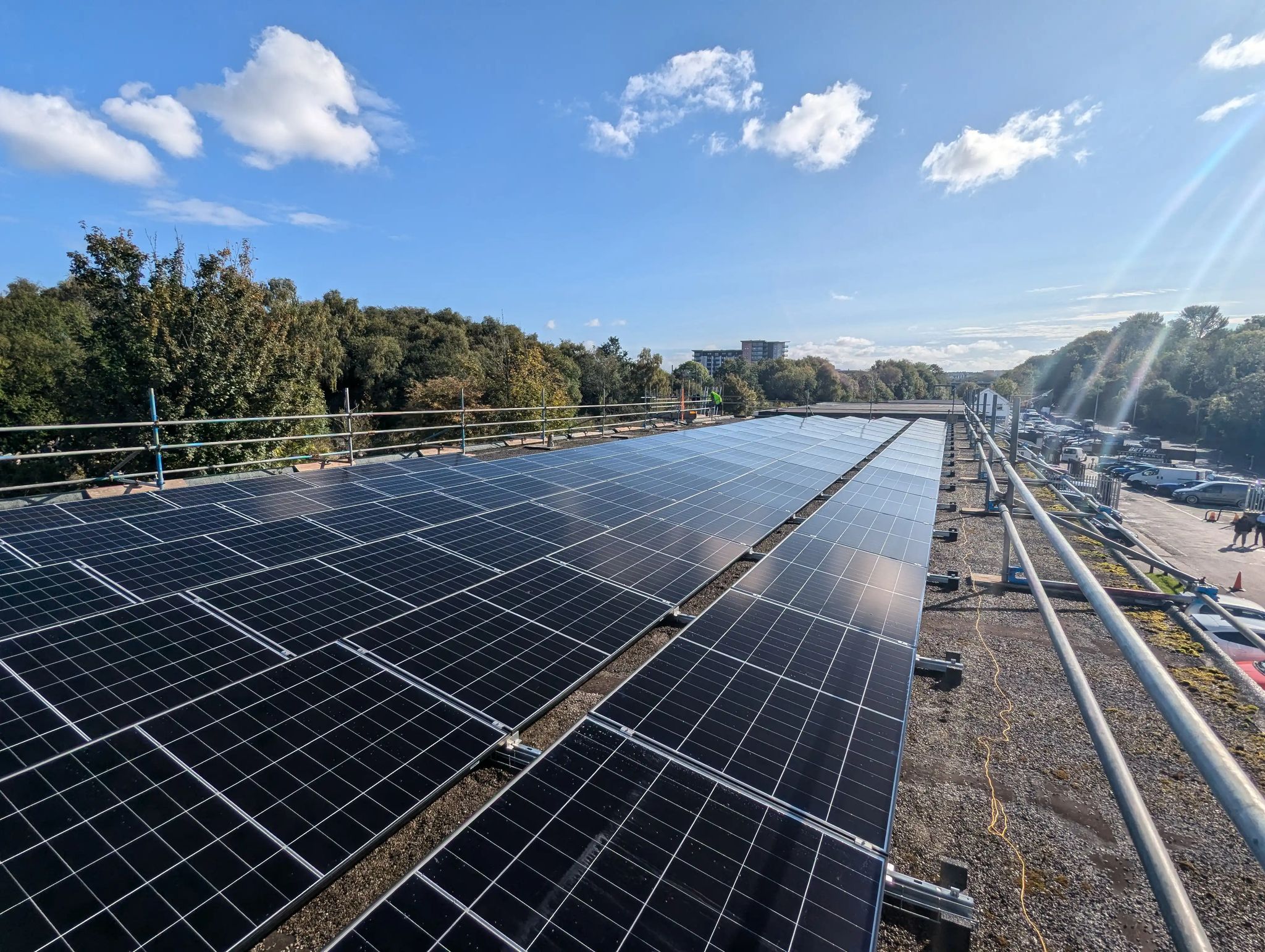
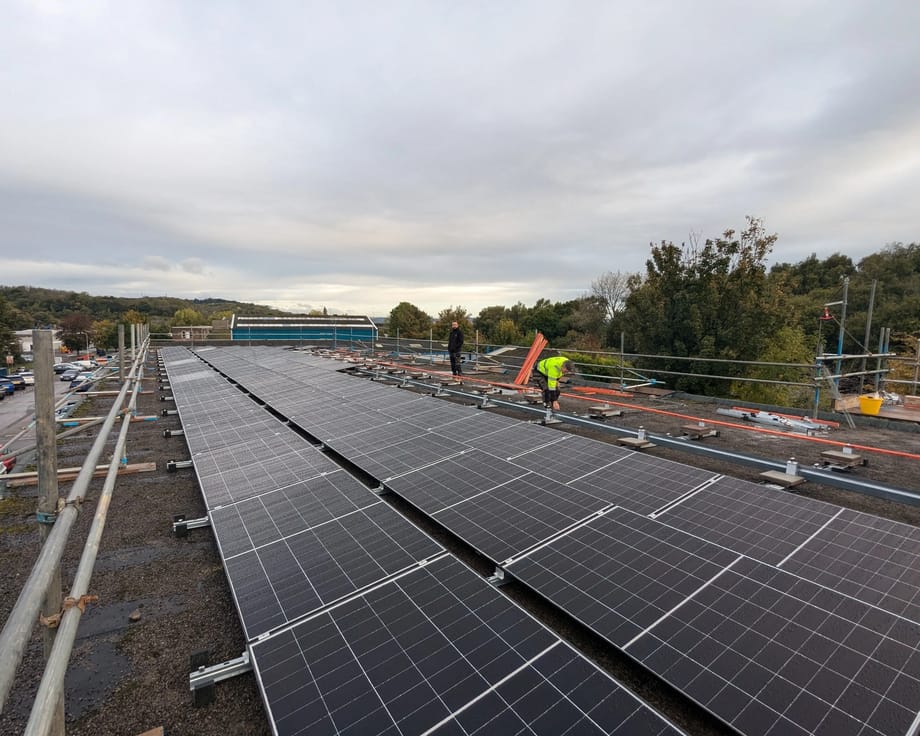
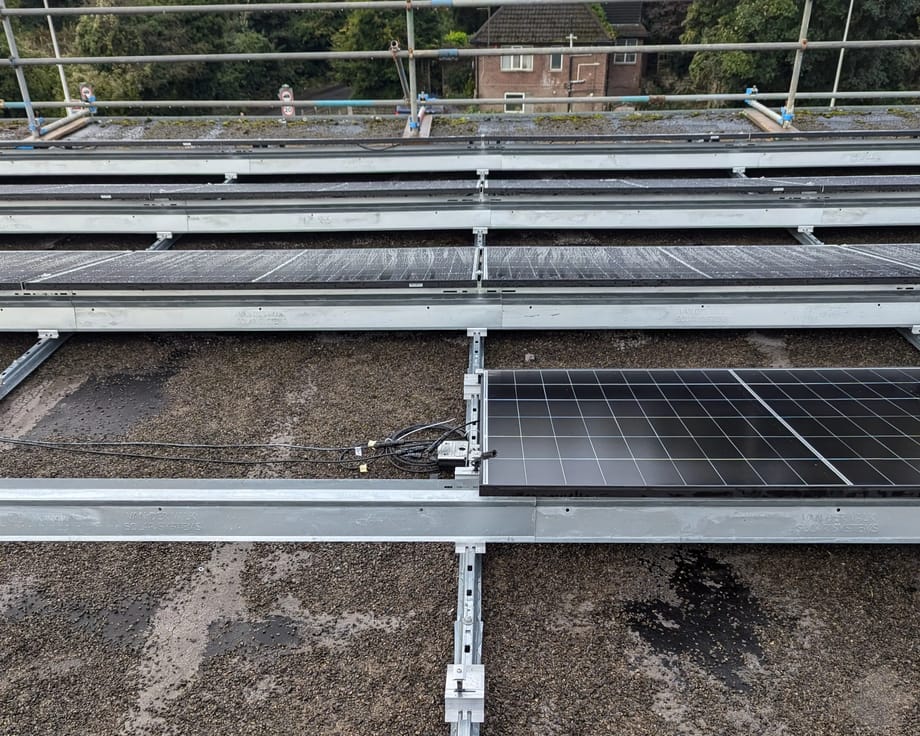
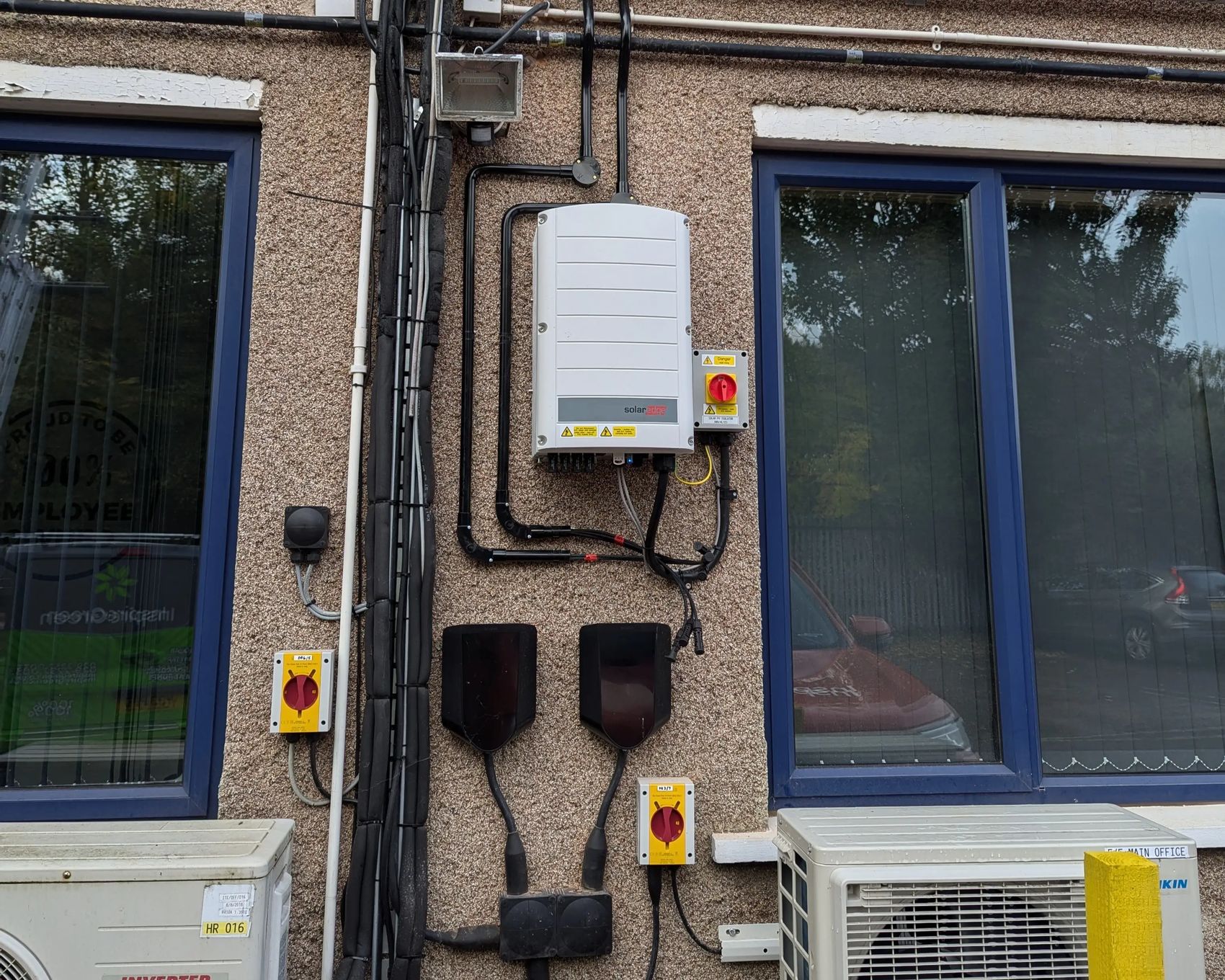
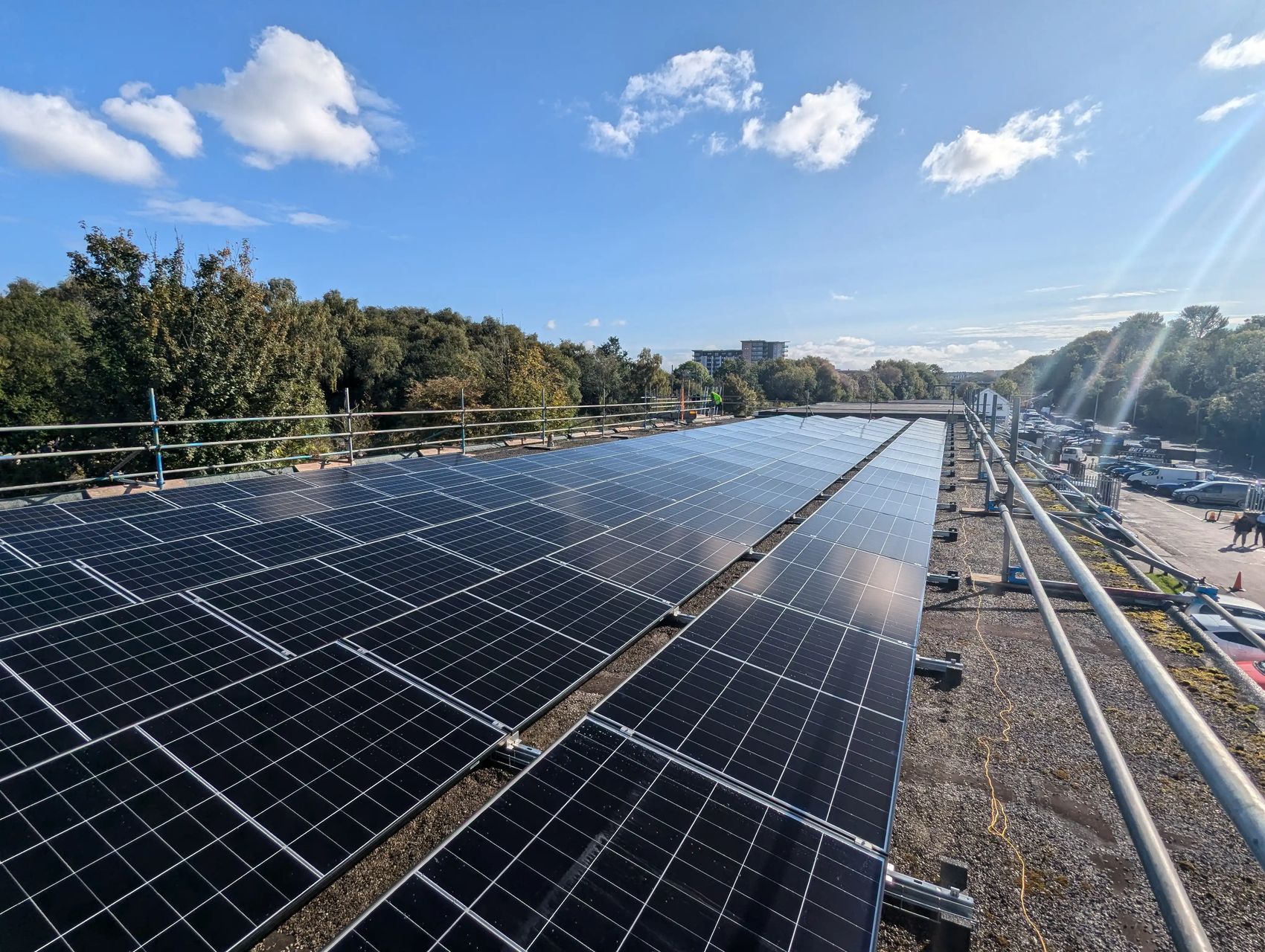
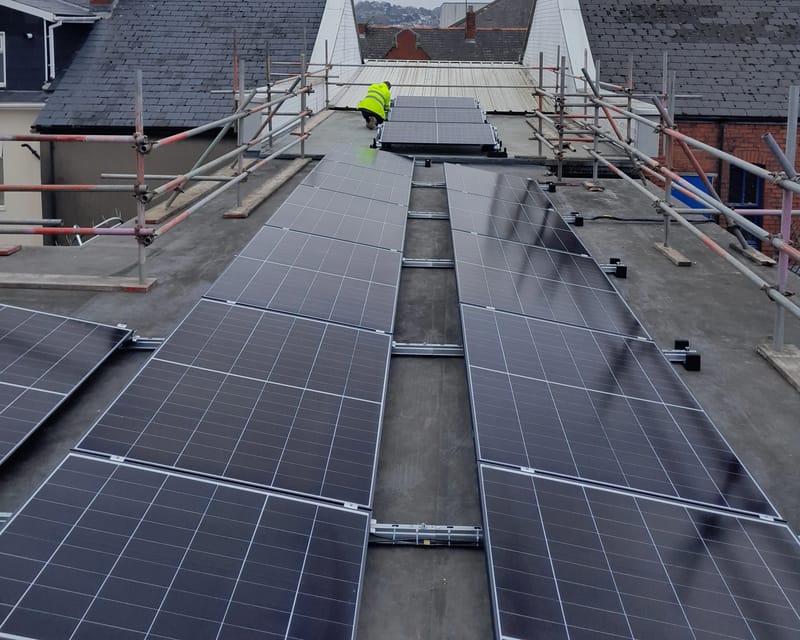
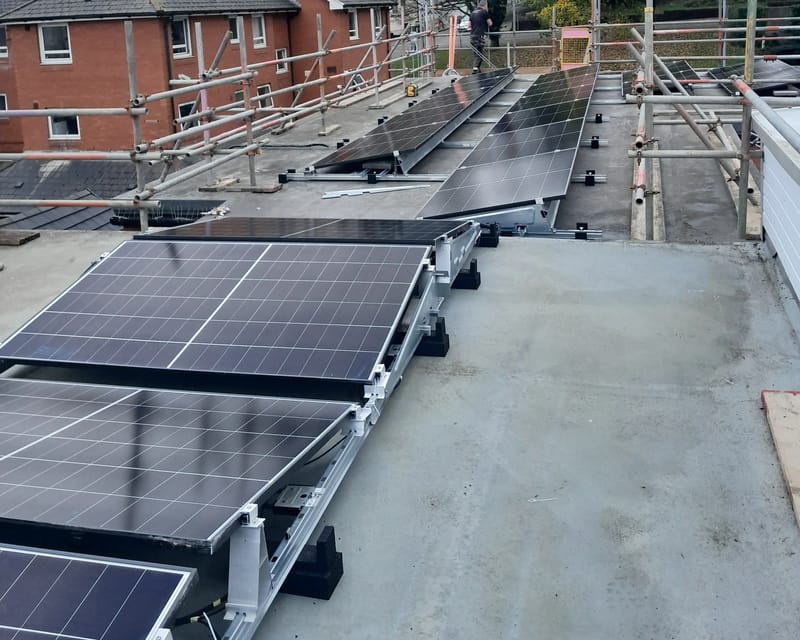
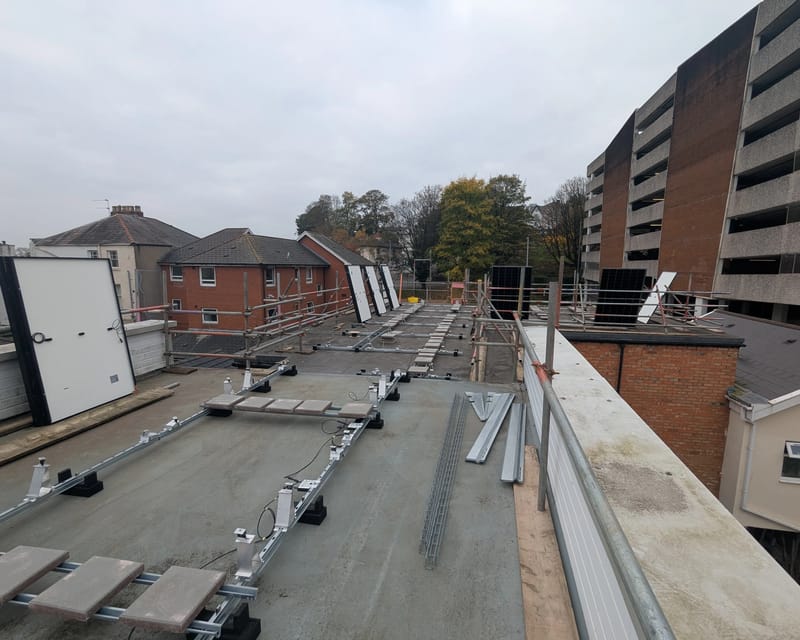
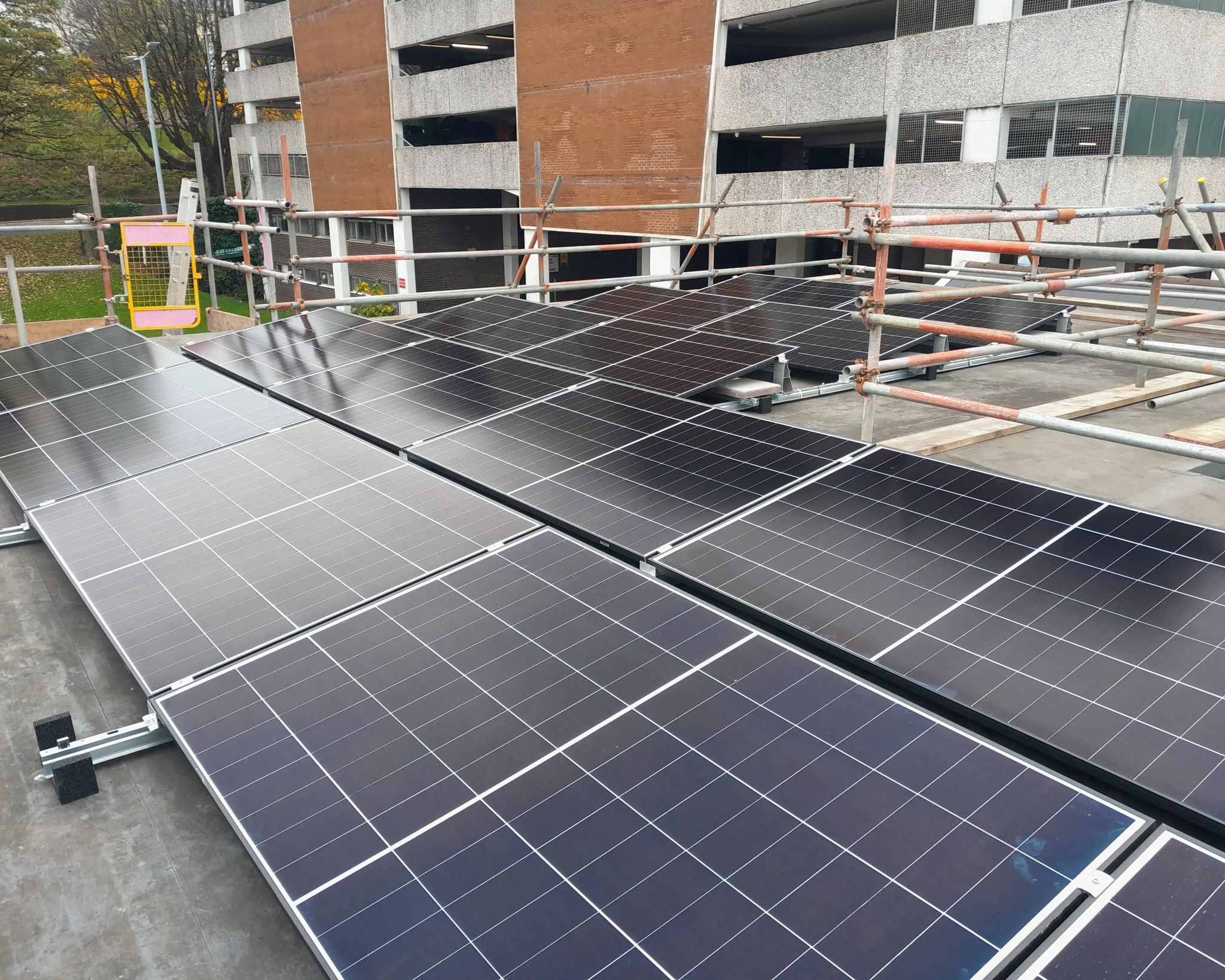
iTec's head office in Cardiff takes a 41.85 kWp array: 90 AIKO 465W panels with 45 SolarEdge optimisers feeding a single SE33.3K inverter. The optimisers manage each panel on its own so the array keeps performing rather than being held back by its weakest section. In a typical year it generates around 41.4 MWh and covers 46% of the building's electricity straight from the roof. Because a training centre draws its load through the working day, when the panels are generating, most of that power is used on site as it is made rather than exported. That brings payback down to about 3.5 years and saves an estimated 8.01 tonnes of carbon a year.
Newport (Commercial Street)
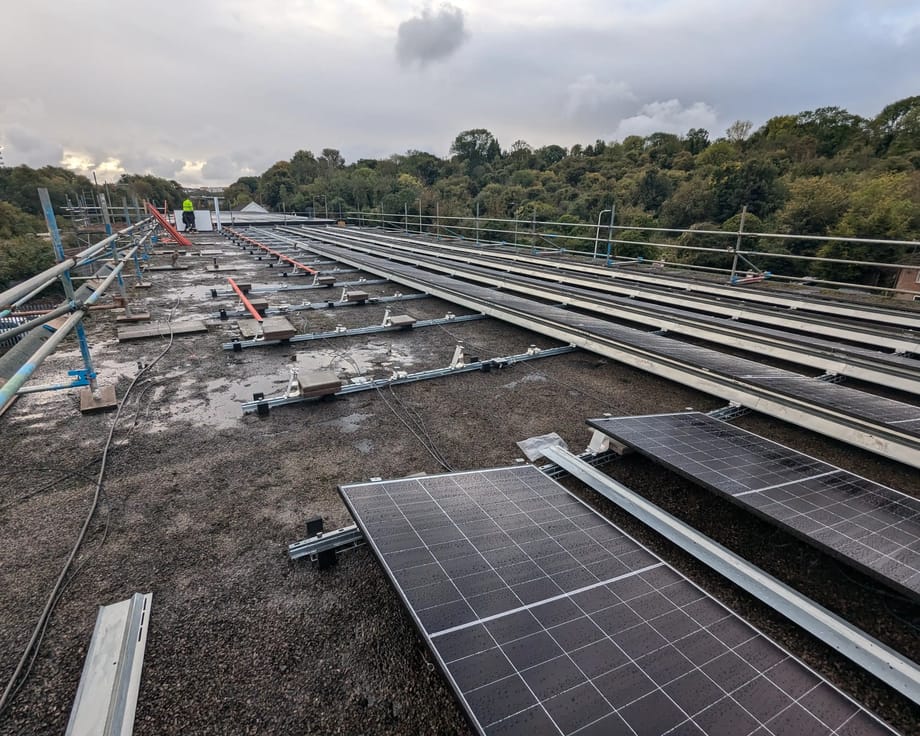
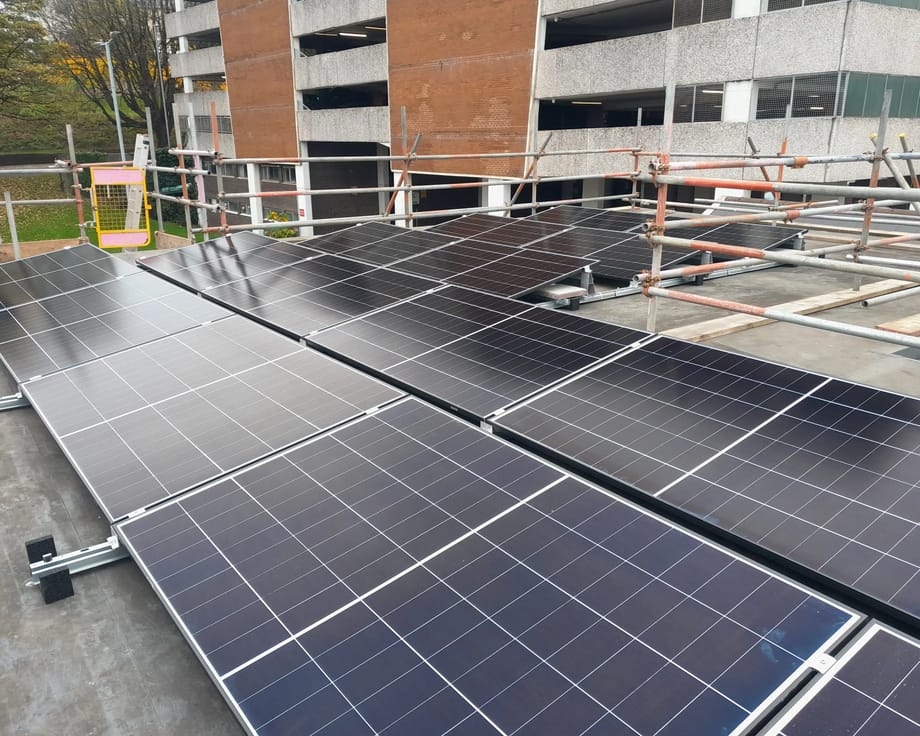
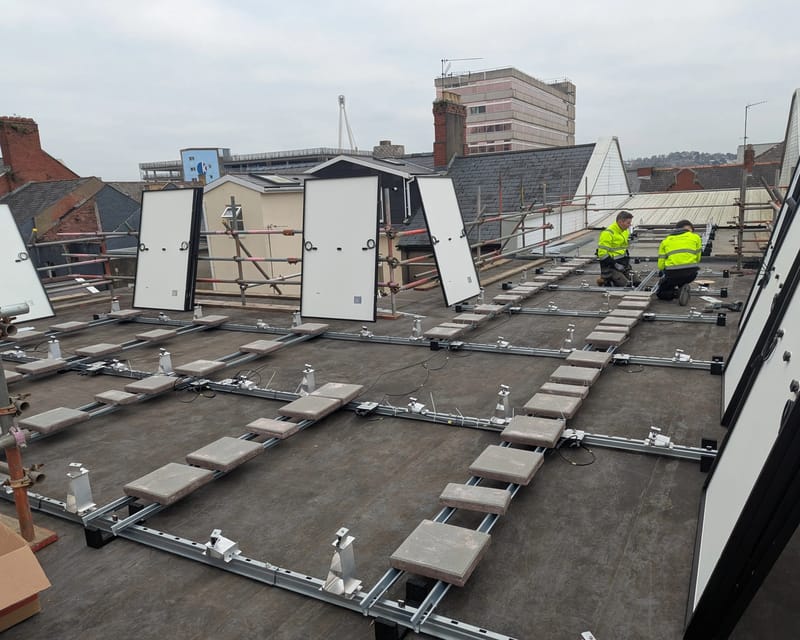
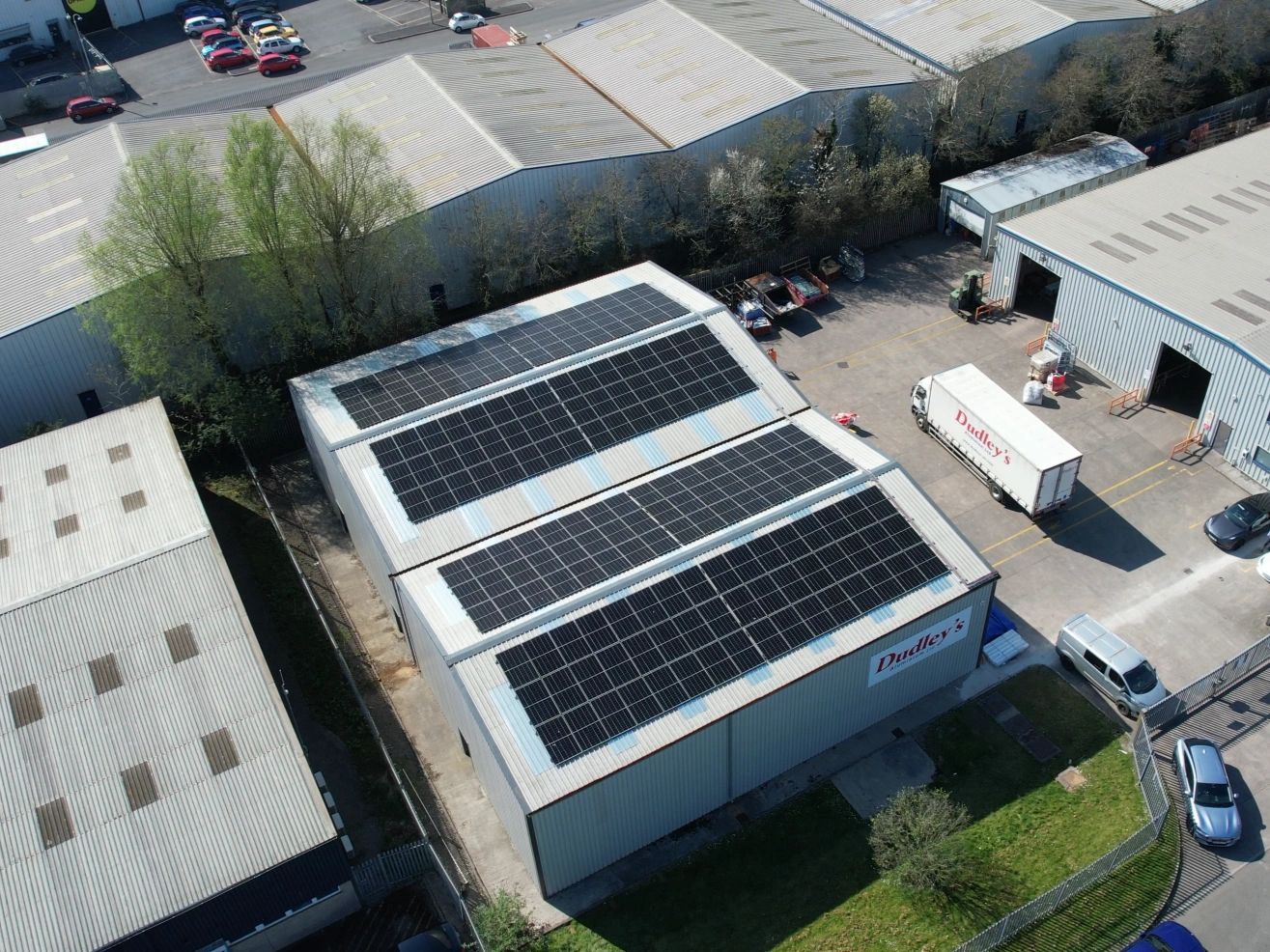
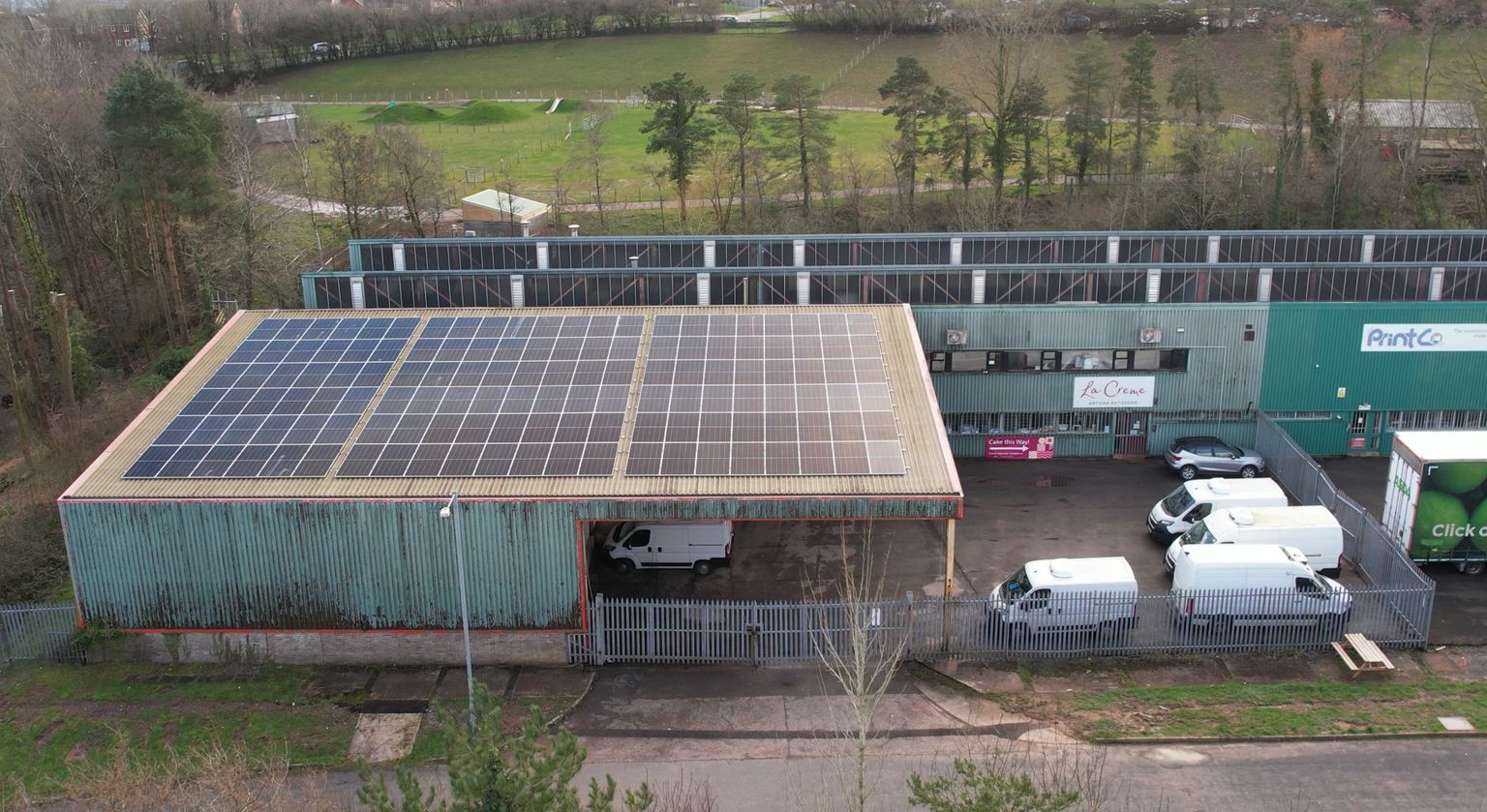
Newport is a much smaller roof, so the array is sized to fit it: a 10.23 kWp system of 22 AIKO 465W panels across three roof orientations, with 22 optimisers and an SE8K inverter. The building uses a lot of electricity for its size, around 28 MWh a year, so the roof cannot cover all of it; the system supplies about 27% of demand, generating roughly 9.8 MWh a year and taking 1.89 tonnes of carbon off the site annually. The roof was the limiting factor here rather than the budget, and the payback works out at about 6.8 years.
Across the two centres that adds up to 112 panels and 52.08 kWp of generation, taking close to 10 tonnes of carbon a year off iTec's footprint and turning two roofs that were doing nothing into part of how the buildings are powered.