Solar PV Cutting Energy Costs at a Cwmbran Bakery

An 85.14 kWp solar PV array at La Crème Patisserie in Cwmbran, supplying around a third of a high-demand bakery's electricity straight from its own roof, with payback in three and a half years.

Client

La Crème Patisserie

Technology

Solar PV

Location

Cwmbran, Torfaen

System size

85.14 kWp

Est. annual output

86,060 kWh

Number of Panels

132

About the client

La Crème Patisserie is a family-run bakery founded in 2005. From a large production facility on Springvale Industrial Estate in Cwmbran, the business produces handmade cakes, desserts, patisserie and afternoon tea for foodservice customers across the UK, supplying racecourses, stadia, hotels, visitor venues and airlines from Glasgow to Exeter.

Everything is made in house by a team of around 38 bakers, pastry chefs, cake decorators and chocolatiers, with the facility producing up to 50,000 pieces of cake a week. The site runs energy-hungry equipment through long shifts, with ovens, mixers, chillers, chocolate tempering machines and freezers drawing power across the working day.

That steady daytime demand, together with the bakery's own work towards net zero through the Welsh Government sustainability cluster, made the production roof an obvious place to generate electricity on site rather than buy all of it from the grid.
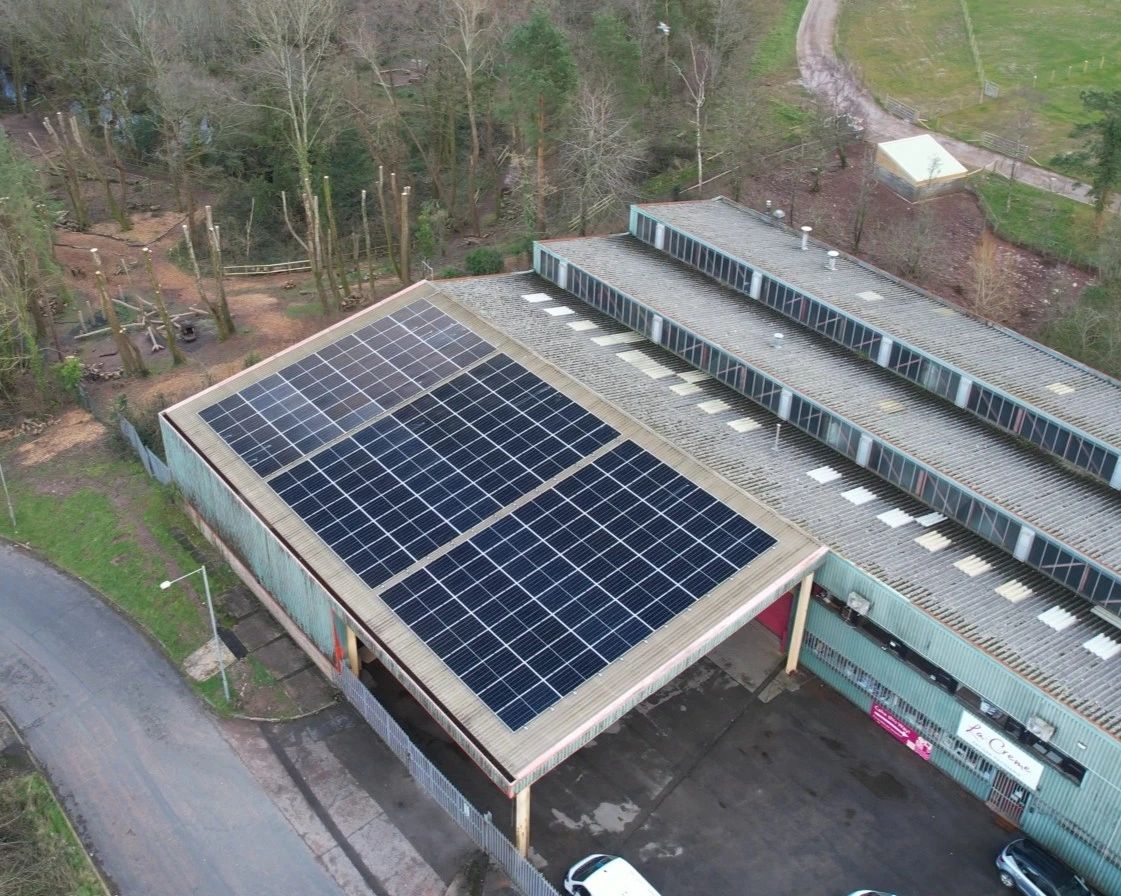
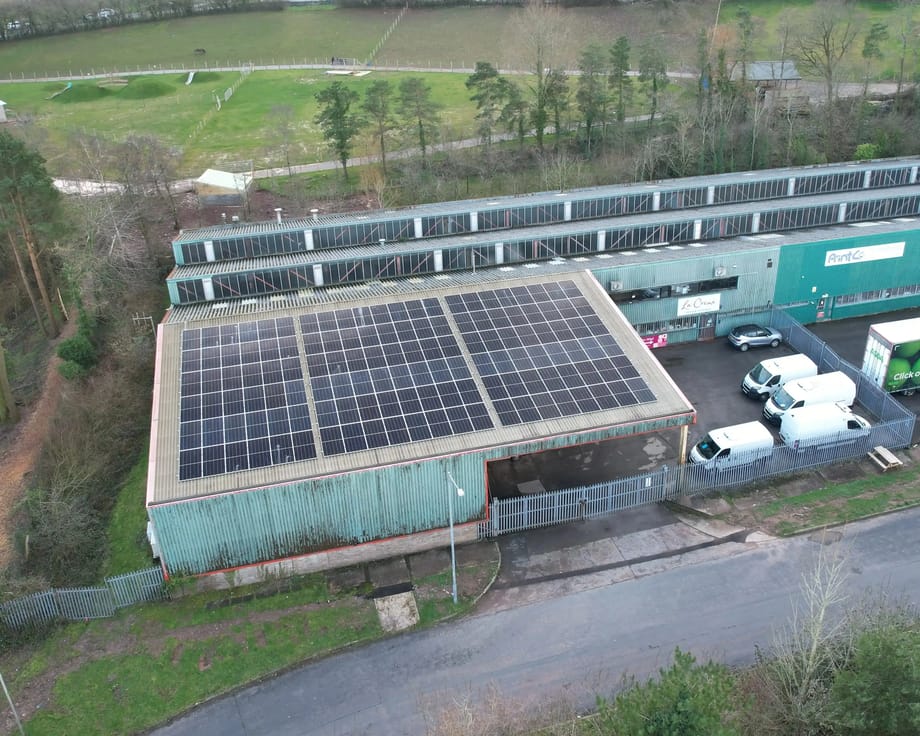
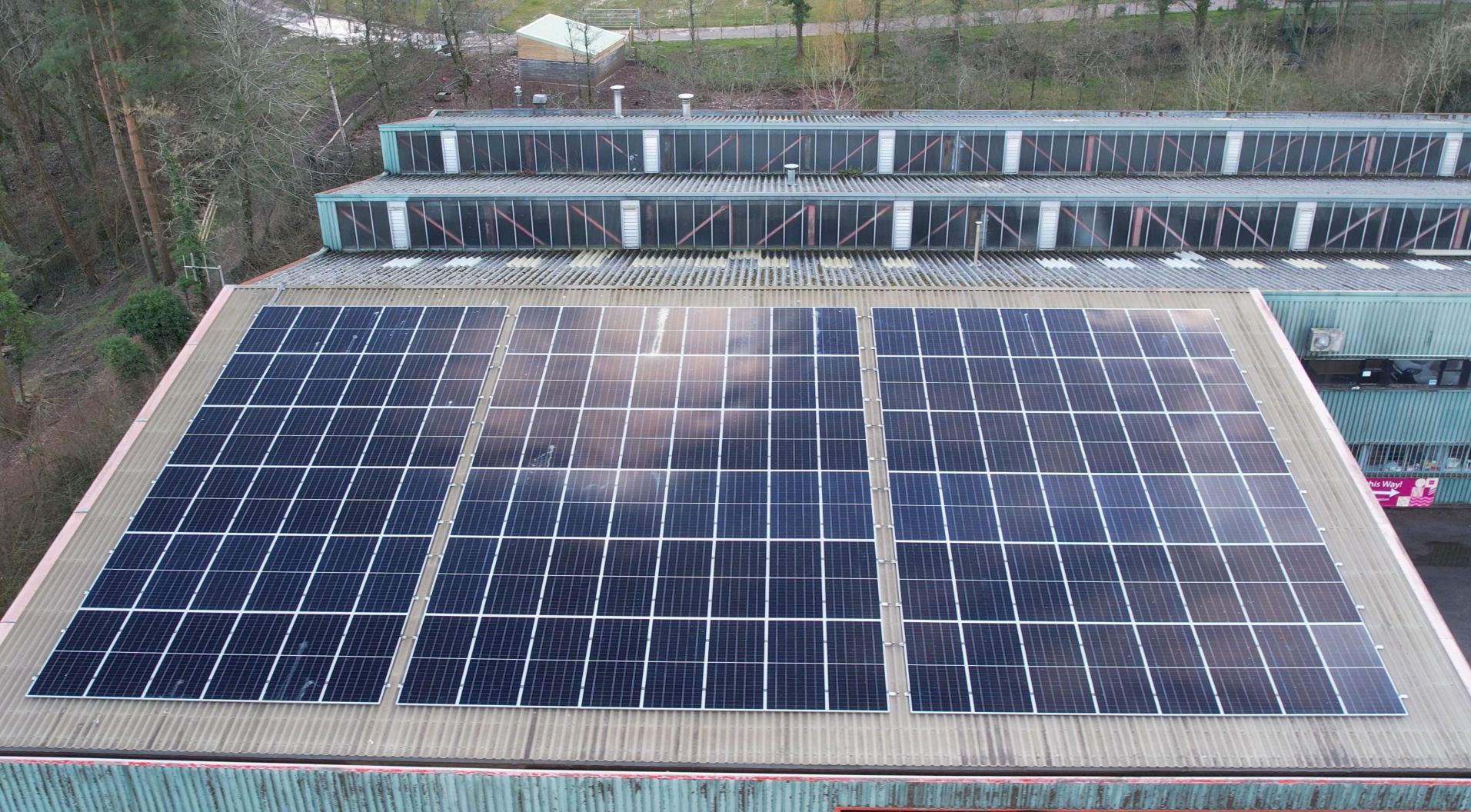
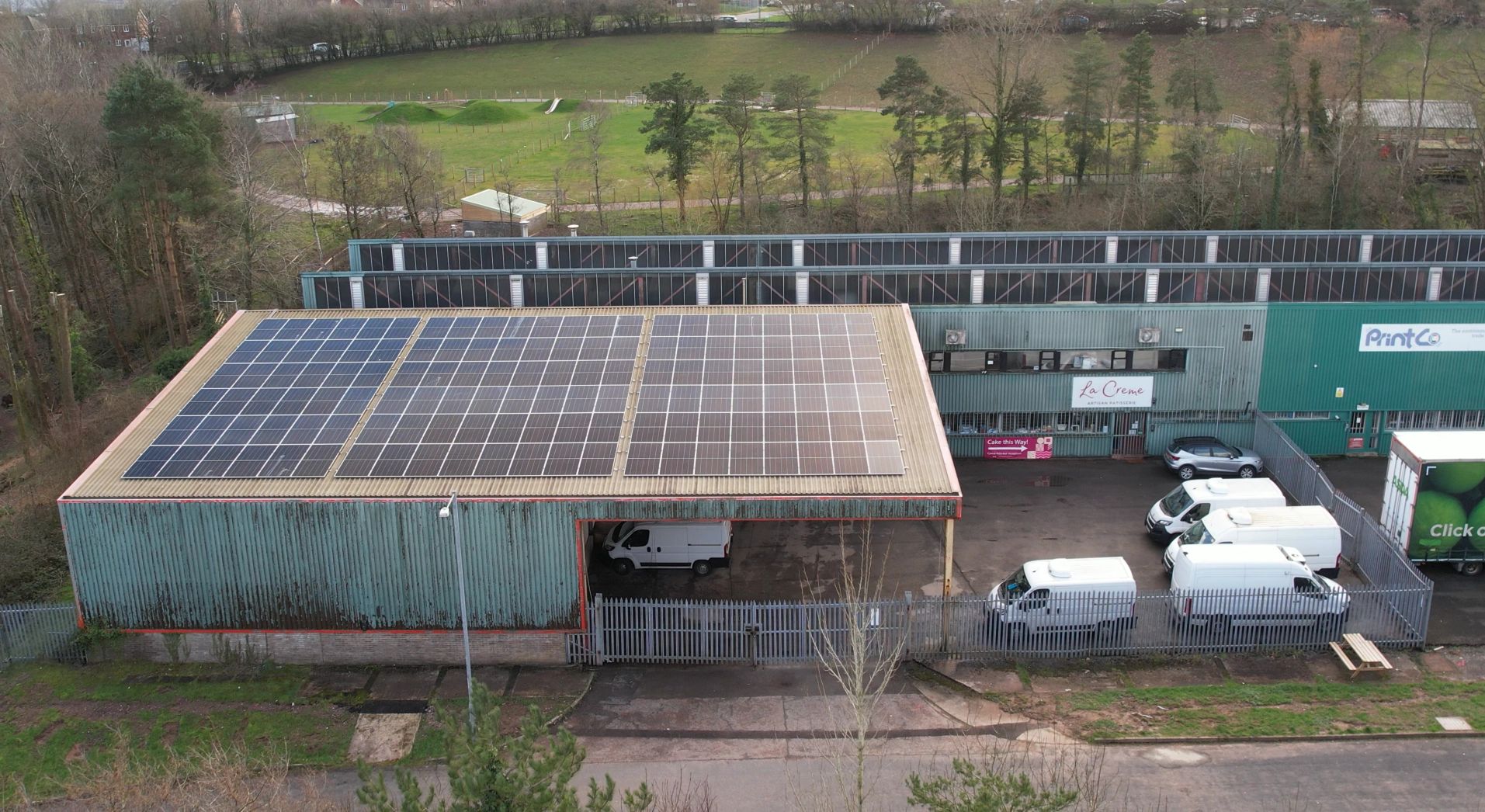
Solar PV array on the roof of La Crème Patisserie's production facility in Cwmbran
magnify
Aerial view of La Crème Patisserie's Cwmbran site with rooftop solar PV array
magnify
solution image

Our solution

The starting point was the bakery's electricity bill, not its roof. La Crème gets through about 240 MWh a year, and the question we set out to answer was how much of that we could shift off the grid and onto the building itself. We sized the system to the demand the bakery actually carries through a working day, then checked it against the roof rather than the other way round.

That worked out at an 85.14 kWp array: 132 AIKO 645W modules, two SolarEdge SE33.3K inverters and 66 power optimisers, each panel metered and managed on its own so the array keeps performing even when one section is doing less than the rest. In a typical year it generates around 86,000 kWh and takes roughly 16.64 tonnes of carbon off the bakery's footprint.

The reason the figures stack up is timing. A production kitchen draws its heaviest load in daylight, which is exactly when the panels are generating, so the electricity is used the moment it is made instead of being sold back cheaply. That is what brings payback down to about three and a half years and leaves the rest of the system's 25-year life as power the bakery is no longer buying.

Recent projects

project image

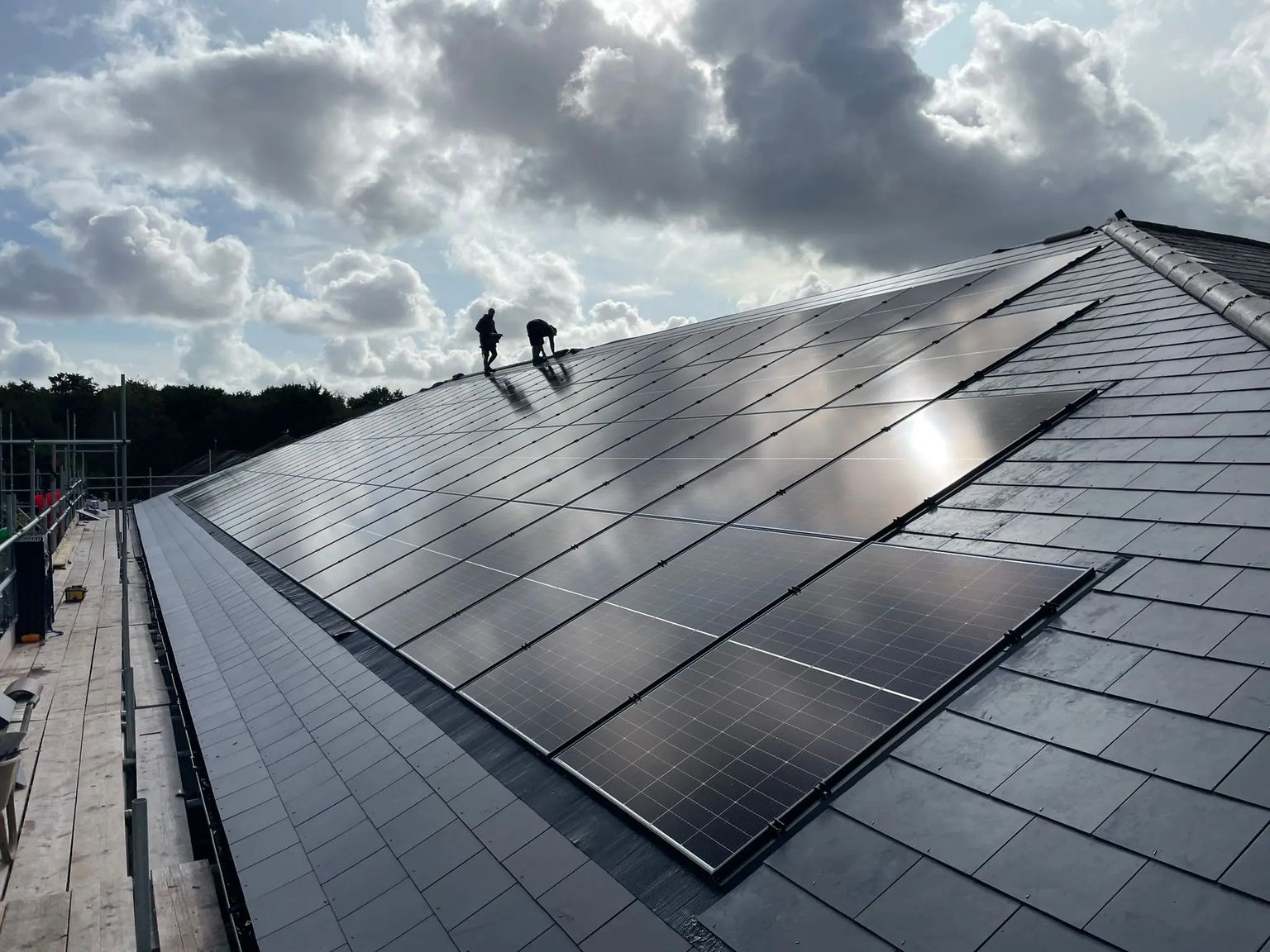
New Directions Holdings: Largest GSE In-Roof Solar in Cardiff

project image

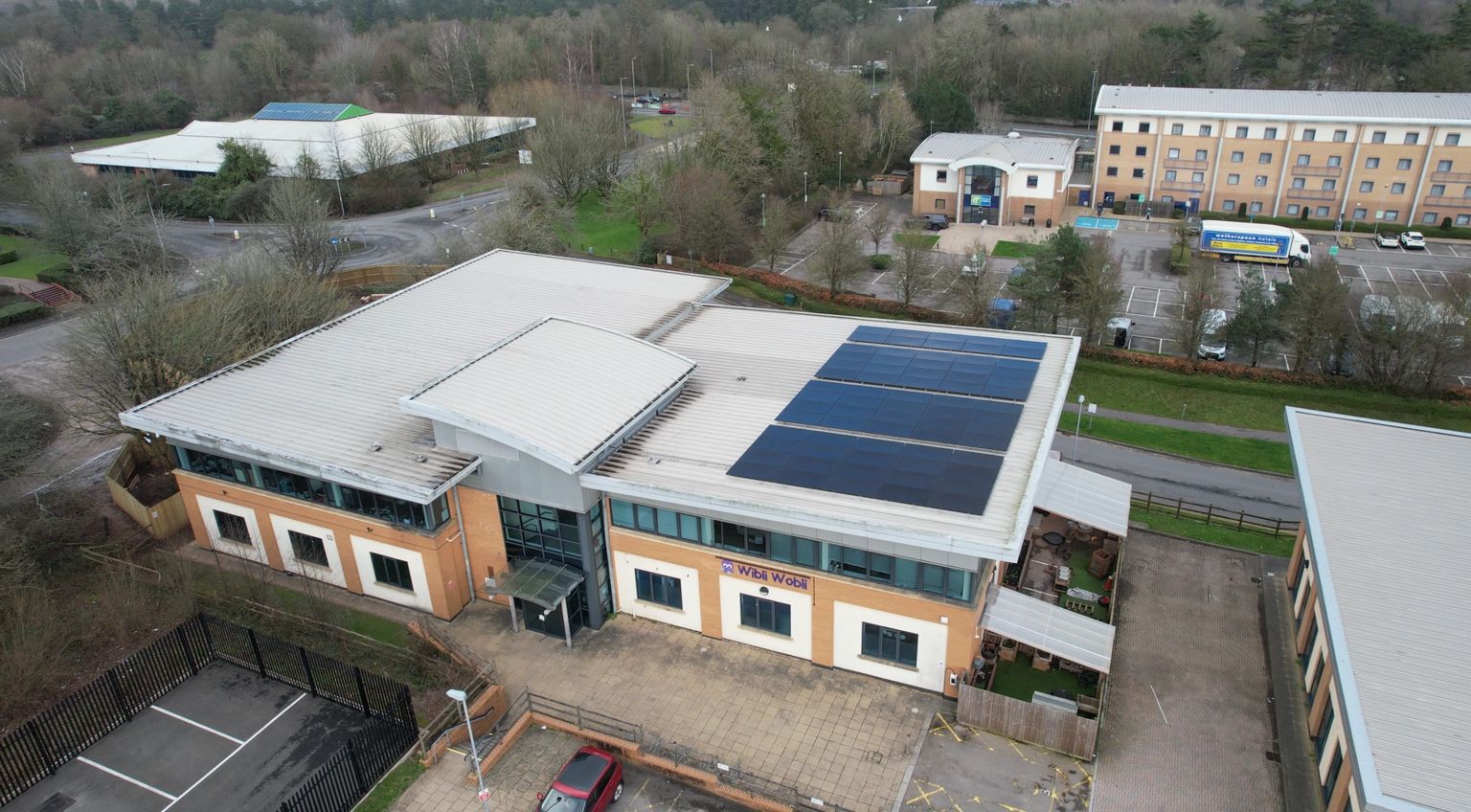
Rooftop Solar for a Newport Nursery

Run the ovens on your own power

Run the ovens on your own power

Food production runs on daytime electricity, which is exactly when a solar roof generates most. Find out how much of your demand you could be covering on site.

partner-logo
partner-logo
partner-logo
partner-logo
partner-logo
partner-logo
partner-logo
partner-logo
partner-logo
partner-logo