
Gyms can cut energy bills through low-cost changes like smarter lighting and equipment routines, and longer-term upgrades such as LED lighting and on-site renewables.
With energy prices rising and gyms running long hours alongside power-hungry equipment, keeping members comfortable while protecting margins is a balancing act.
In this guide, we’ll cover practical steps to reduce energy costs without compromising your member experience to improve the sustainability and profitability of your gym.
How Rising Energy Costs Are Impacting Gym Businesses
With energy costs increasing since 2022 and remaining high, gyms feel the impact more than many other businesses because keeping large spaces comfortable and facilities running depends on electricity and gas. Heating and cooling, hot water for showers, lighting and always-on equipment all add up, especially when you factor in long opening hours.
That pressure is forcing gyms to make hard decisions. In a November 2023 survey update, ukactive reported that nearly 1 in 5 (18.8%) private operators had closed some or all of their sites in the past year, linking this to ongoing high energy costs. They also shared that 2 in 5 (38.5%) of publicly-operated facilities were at risk of reducing services or closing.

5 Energy Saving Strategies for Gyms
With energy costs putting real pressure on gym businesses, the good news is you can reduce consumption in two ways: improve efficiency so you use less, and generate more of your own power so you buy less.
1. Switch to LED Lighting
Lighting influences how your gym feels, from bright workout zones to calmer stretching areas. It also supports safety, from accidents and for early morning, late night and 24/7 sites.
Upgrading to LED is one of the highest-impact changes a gym can make, with the potential to slash lighting energy consumption by 50-90% while reducing maintenance costs. LED lighting lasts up to 100,000 hours.
Want to see what LED could save at your gym? Explore our commercial LED lighting solutions and request an energy audit to estimate costs and payback.
2. Add Smart Lighting Controls
Pair LEDs with controls like occupancy sensors, timers and zoning to avoid lighting empty areas. With the right setup, you can monitor and adjust lighting so it’s only used where and when it’s needed.
For example, changing rooms, toilets, corridors and storage areas are ideal for motion sensors that switch lights on only when a person enters. In studios and workout areas, timers and schedules can match lighting to peak and off-peak times, without staff having to remember switches.
It’s also worth making the most of daylight if your gym already has large windows or skylights. Controls can dim or reduce lighting output during brighter parts of the day, and adjust levels by time of day and season to keep the space comfortable while reducing waste.
3. Optimise Heating, Cooling and Ventilation
HVAC is one of the biggest challenges for gyms because you need to balance comfort, air quality and humidity. What works best will depend on your building size, how your gym is laid out, the activities you run, and your hour-by-hour occupancy.
You can reduce energy consumption by setting clear temperature ranges to avoid excessive heating or cooling and scheduling HVAC around opening hours so you’re not conditioning empty areas. Keeping filters and systems regularly serviced also improves efficiency and helps equipment last longer.
You can also make energy savings by zoning heating and cooling by area. Studios, spin rooms, changing rooms and reception all have different requirements, so treating the whole building the same way can waste energy. Keeping doors closed where possible helps reduce heat loss in winter and heat gain in summer.
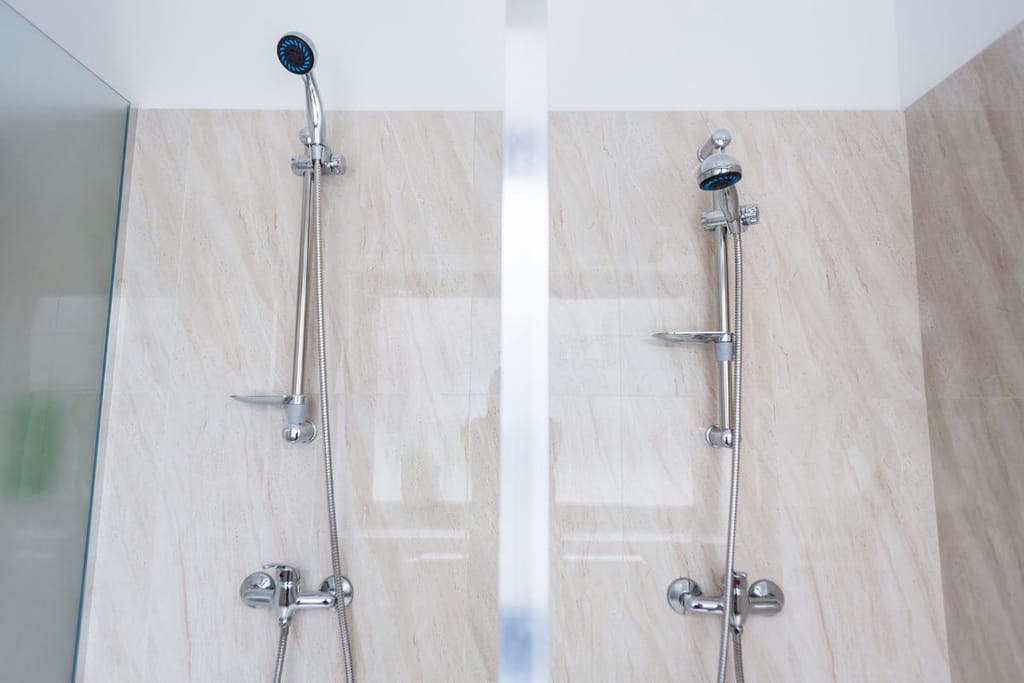
4. Minimise Hot Water Waste in Showers and Changing Rooms
Showers might take up little space, but they can have an outsized effect on energy bills, especially at peak times. Improving efficiency in changing areas can reduce hot water use without compromising your member experience.
You can reduce hot water consumption by installing:
- Low-flow shower heads that maintain pressure while using less water
- Tap aerators in wash areas
- Timers or push-button controls where appropriate
It’s also worth checking your hot water schedule to avoid heating water overnight when it won’t be used, and making sure your hot water tanks and pipework are insulated to reduce heat loss.
5. Maximise Your Roof Space with Solar PV
Many gyms have large roof areas, making them ideal for solar panels. Installing solar PV can reduce the amount of electricity you need to buy from the grid, and adding battery storage can help you use renewable energy during early mornings, evenings and overnight.
Solar works best when you can use what you generate, so the right system will depend on your gym’s energy usage. Even partially covering your energy demand can significantly reduce your bills. For example, leisure centres across Powys reported a 10% reduction in energy bills after upgrades that included solar panels.
Installing solar PV also shows your commitment to sustainability, something members increasingly care about, and builds a long-term asset to fuel your gym’s growth.

If your gym has a large roof, installing solar PV can help you generate your own renewable energy.
Powering Your Gym Business
Saving money on gym energy bills comes down to reducing waste across lighting, HVAC and hot water, then investing in sustainable, long-term savings such as LED and solar PV. Start with small steps that make an outsized difference, then use an energy audit to prioritise upgrades with the best return.
At InspireGreen, we support gyms with solar PV, battery storage and EV charging. Find out more about renewable energy for gym businesses and get in touch to learn how we can support you.


